Path 16
Russian voices
From Glinka to Shostakovich: a century of Russian music, in the order it was written.
Glinka → Balakirev → Mussorgsky → Borodin → Rimsky-Korsakov → Tchaikovsky → Rachmaninoff → Scriabin → Prokofiev → Shostakovich
1837–1910 · Romantic
1 work
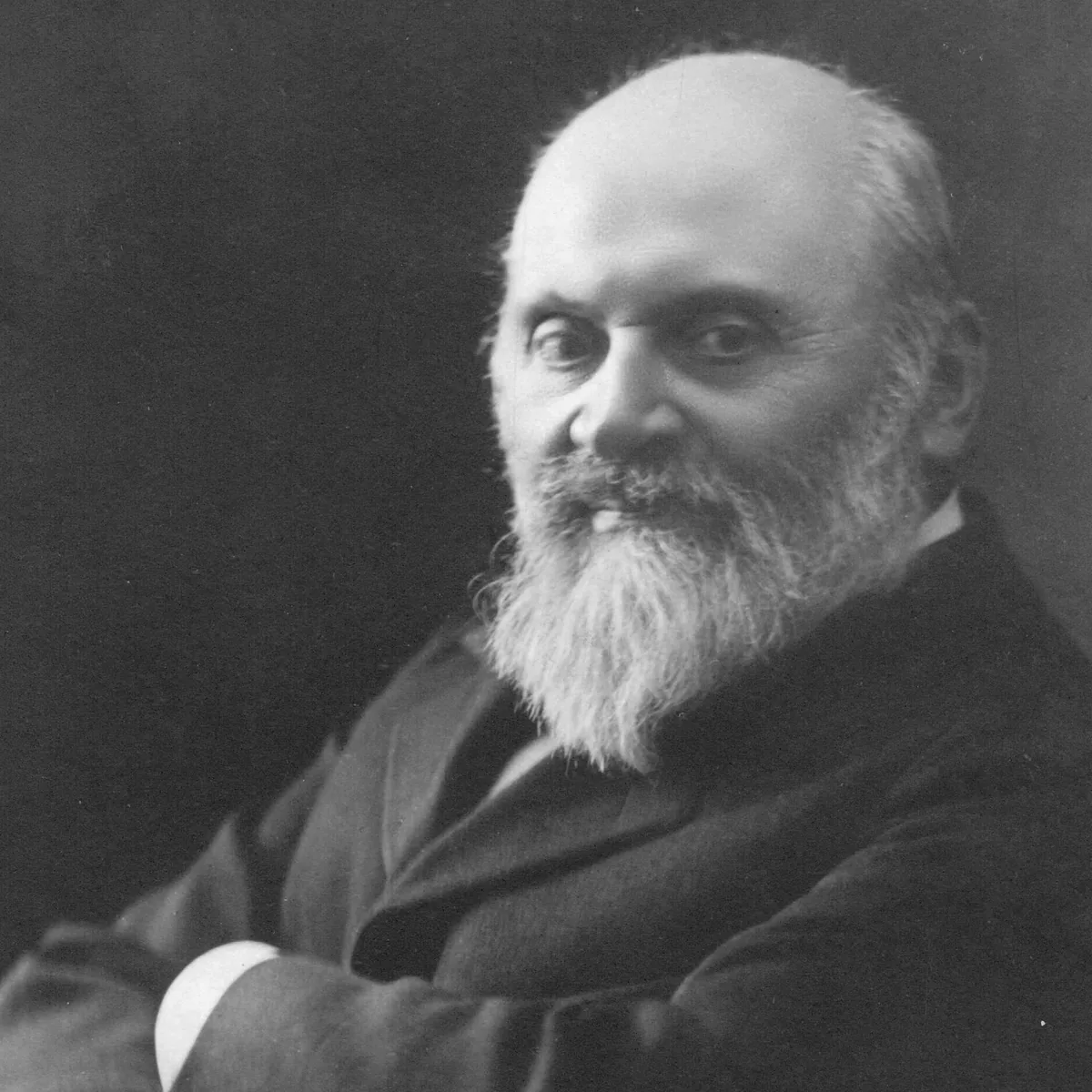
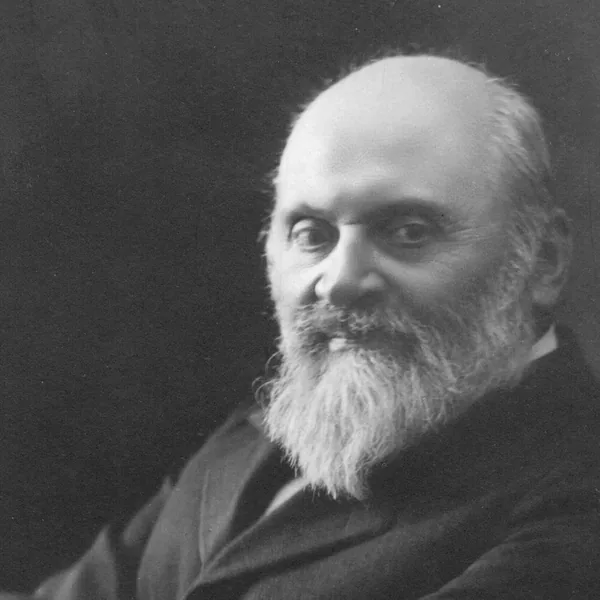
Balakirev was born in Nizhny Novgorod and worked in Saint Petersburg, where he gathered the group known as The Five and, in 1862, helped found the Free Music School. He was the only trained professional in the group and taught the others. From 1883 to 1895 he directed the Imperial Chapel.
His music rests on Russian folk song, which he collected and arranged, and on tunes he noted down in the Caucasus on trips from 1862. These gave him an orientalist manner. Glinka, Chopin and Liszt were his models, and in orchestral works he used German symphonic technique even though the group around him distrusted it.
Islamey, the only work of his in the catalog, was written in about a month in 1869: begun in Moscow in August, finished in Saint Petersburg in September, and revised in 1902. Its main theme came from a dance tune played by a Circassian prince; the second was given to him by an Armenian actor, who said it was well known among Crimean Tatars. Nikolai Rubinstein played it first, in December 1869.
The piece has three parts: an agitated Allegro on the main theme, a slow middle section with a new, songlike theme, and a closing Presto that brings the main theme back at full speed. Editions print easier and harder alternative passages, a sign of how demanding it is.
Path 16
From Glinka to Shostakovich: a century of Russian music, in the order it was written.
Glinka → Balakirev → Mussorgsky → Borodin → Rimsky-Korsakov → Tchaikovsky → Rachmaninoff → Scriabin → Prokofiev → Shostakovich