Path 20
The piano sonata, from Mozart to Prokofiev
Twelve piano sonatas from Mozart and Haydn to Prokofiev's war sonata of 1942.
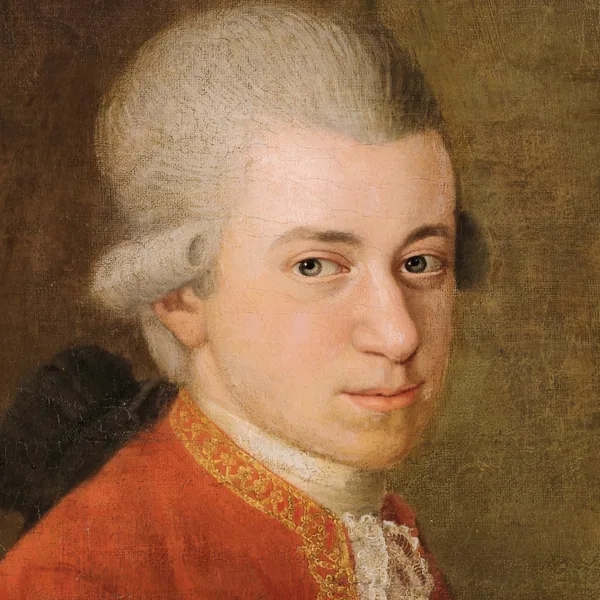
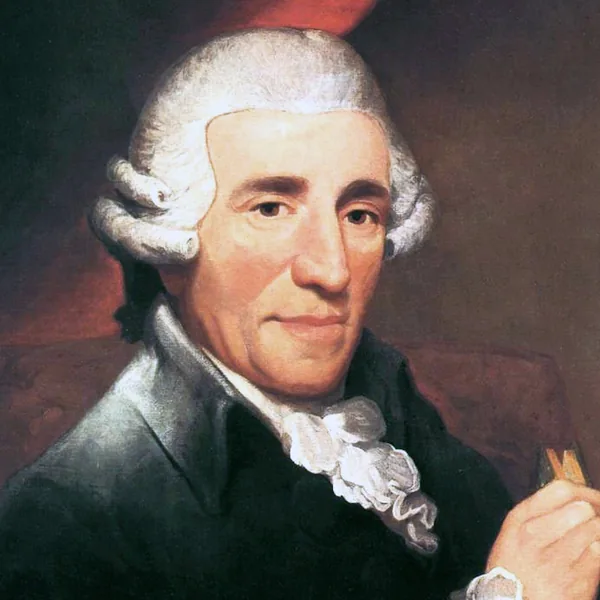
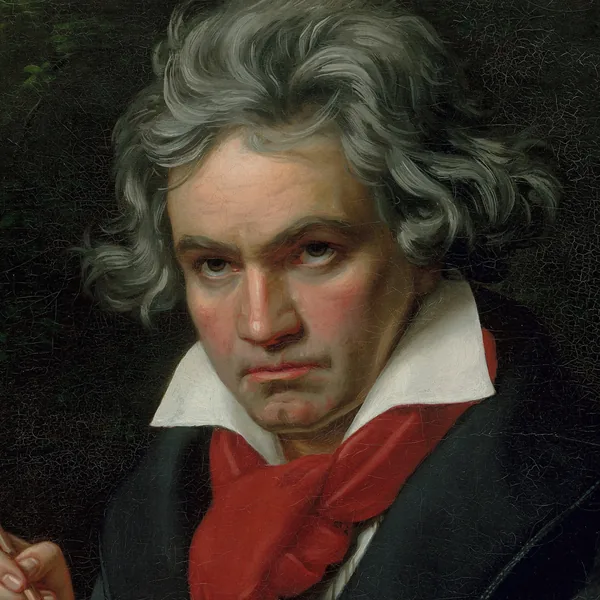
Mozart → Haydn → Beethoven → Schubert → Chopin → Liszt → Berg → Bartók → Prokofiev
1885–1935 · Modern
1 work
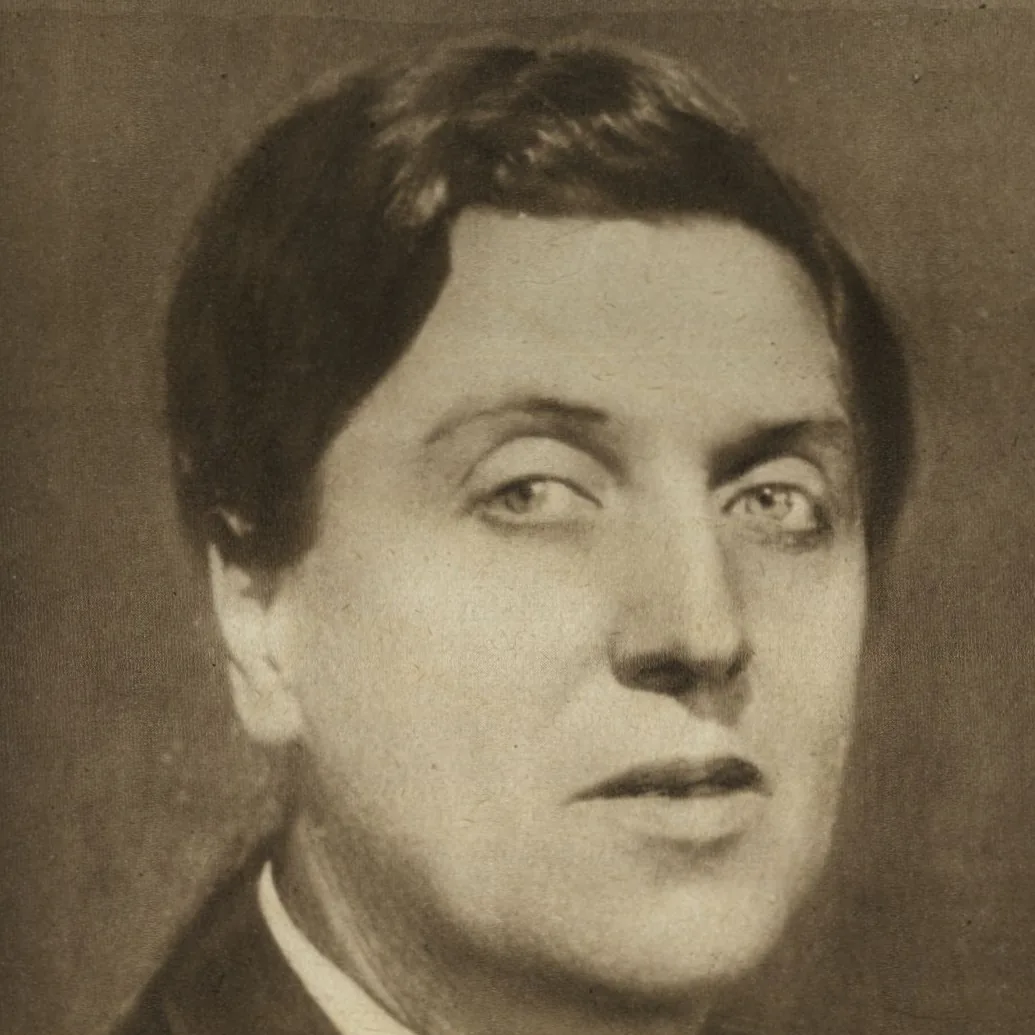
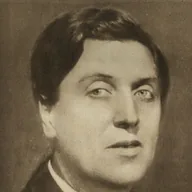
Berg was born and died in Vienna. He studied counterpoint, theory and harmony with Arnold Schoenberg from 1904 to 1911, and his music joins Romantic lyricism to the harmonic freedom of the Second Viennese School and later to twelve-tone technique. His main works are the operas Wozzeck and Lulu and the Violin Concerto of 1935. The Piano Sonata, Op. 1, was written while he was still Schoenberg's pupil and is the only work of his in this catalog.
The sonata is a single movement. Berg meant to write more, lacked ideas for them, and, as the story goes, Schoenberg remarked that he had said all there was to say. The design is the traditional one: exposition, development and recapitulation. The key is nominally B minor, but chromatic harmony, whole-tone scales and wandering key centres keep it unstable until the last few bars.
The whole piece grows from its two opening gestures, the first built on stacked fourths. This is the idea of developing variation that Berg took from Schoenberg: a few small ideas are altered, split and recombined so that everything sounds related. The exact date is uncertain (1908 or 1909). Berg paid for the 1910 publication himself, and Etta Werndorff gave the first performance in Vienna on 24 April 1911.
Sources: Alban Berg (Wikipedia), Piano Sonata, Op. 1 (Berg) (Wikipedia), Piano Sonata, Op. 1 (Berg), programme note (Aylesbury Lunchtime Music)
Path 20
Twelve piano sonatas from Mozart and Haydn to Prokofiev's war sonata of 1942.
Mozart → Haydn → Beethoven → Schubert → Chopin → Liszt → Berg → Bartók → Prokofiev