Path 15
Paris around 1900
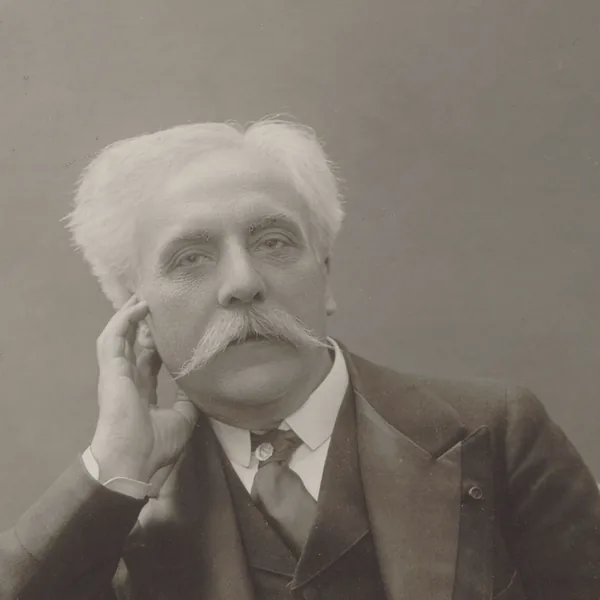
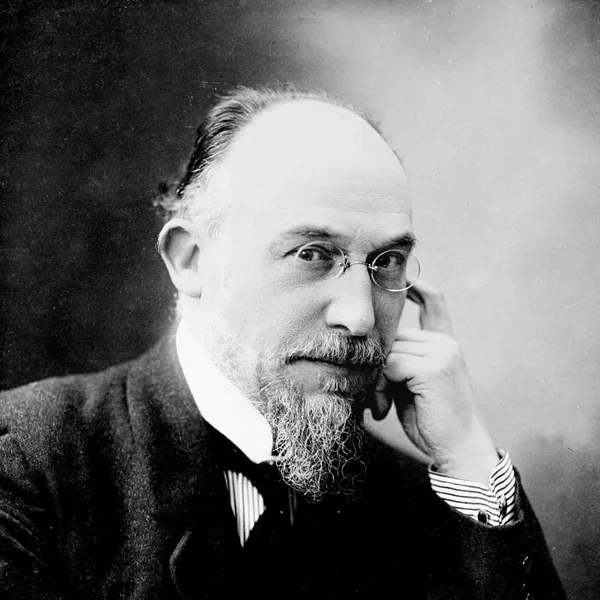
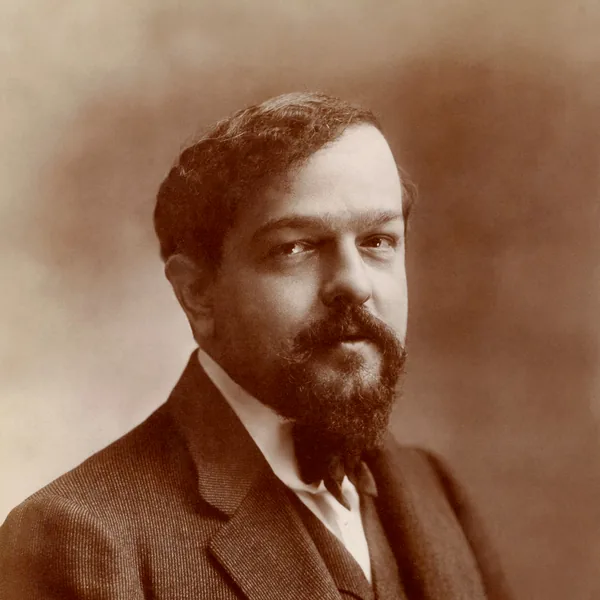
Fauré, Satie, Debussy, Chausson, Dukas and Ravel, from 1887 to 1920.
Fauré → Satie → Debussy → Chausson → Dukas → Ravel
1855–1899 · Late Romantic
1 work
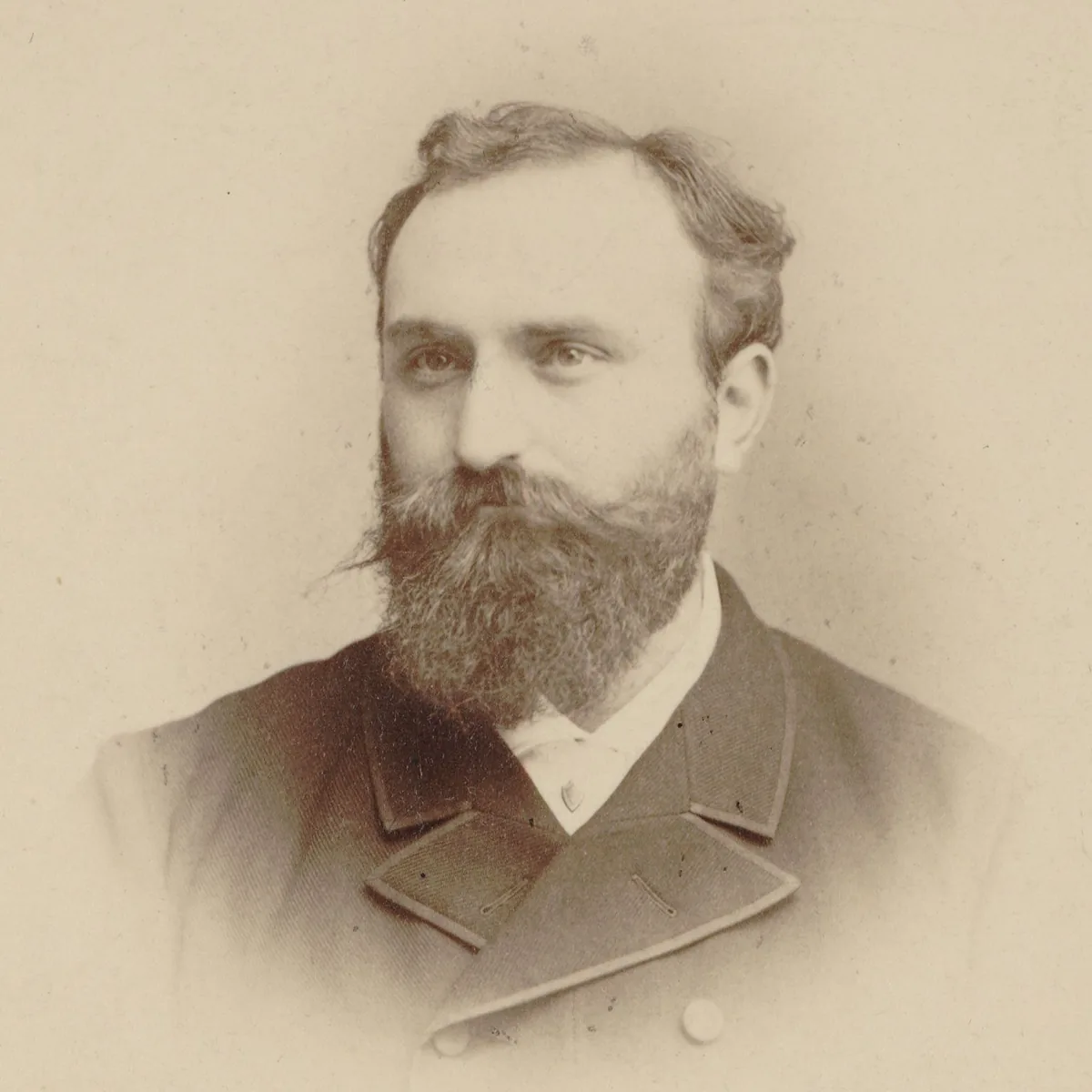
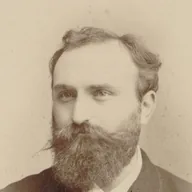
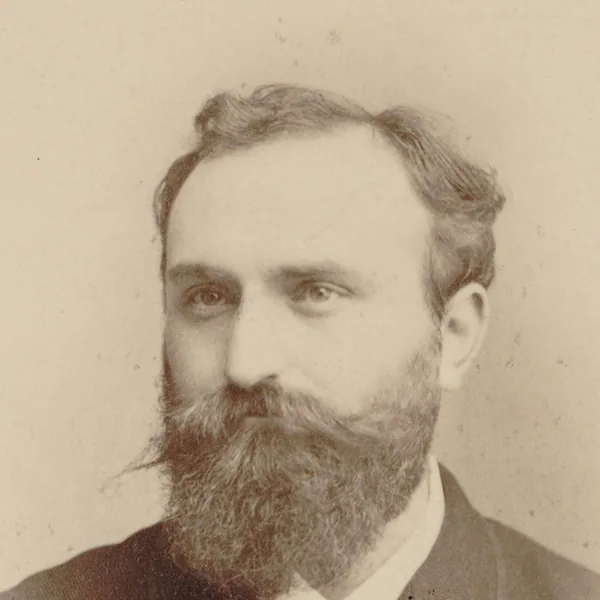
Chausson was born in Paris and died in 1899 after a bicycle accident. He studied law first, then composition with Massenet at the Conservatoire from 1879, and he was close to César Franck. From 1886 until his death he was secretary of the Société Nationale de Musique. His music shows the influence of Wagner and Franck, later joined by Symbolist poetry and Russian literature, and it sits between the Romanticism of Massenet and Franck and the Impressionism of Debussy.
Poème, Op. 25 was composed between April and 29 June 1896, largely in Florence. The violinist Eugène Ysaÿe had asked for a concerto. Chausson felt unequal to that scale and wrote a shorter, freer piece for him, which is dedicated to Ysaÿe. The manuscripts carry two crossed-out titles, Le Chant de l'amour triomphant, after a Turgenev novella, and Poème symphonique, before the final plain title. In the end Chausson intended a work without extra-musical associations. The formal premiere was in Nancy on 27 December 1896, with Ysaÿe as soloist and Guy Ropartz conducting.
The Poème follows no formal model. It is rhapsodic and moody, with rising and falling tension and an advanced harmonic style. It opens Lento e misterioso, passes through Allegro and Animato sections, and ends Tranquillo. It is notionally in E-flat major and lasts about 16 minutes, with the solo violin set against double winds, harp, full brass and strings.
Sources: Ernest Chausson (Wikipedia), Poème (Chausson) (Wikipedia)
Path 15
Fauré, Satie, Debussy, Chausson, Dukas and Ravel, from 1887 to 1920.
Fauré → Satie → Debussy → Chausson → Dukas → Ravel