Path 01
Start here
Ten well-known works to learn the map on, each open in full to everyone.
Pachelbel → Bach → Vivaldi → Mozart → Beethoven → Schubert → Chopin → Dvořák → Debussy
1678–1741 · Baroque
4 works
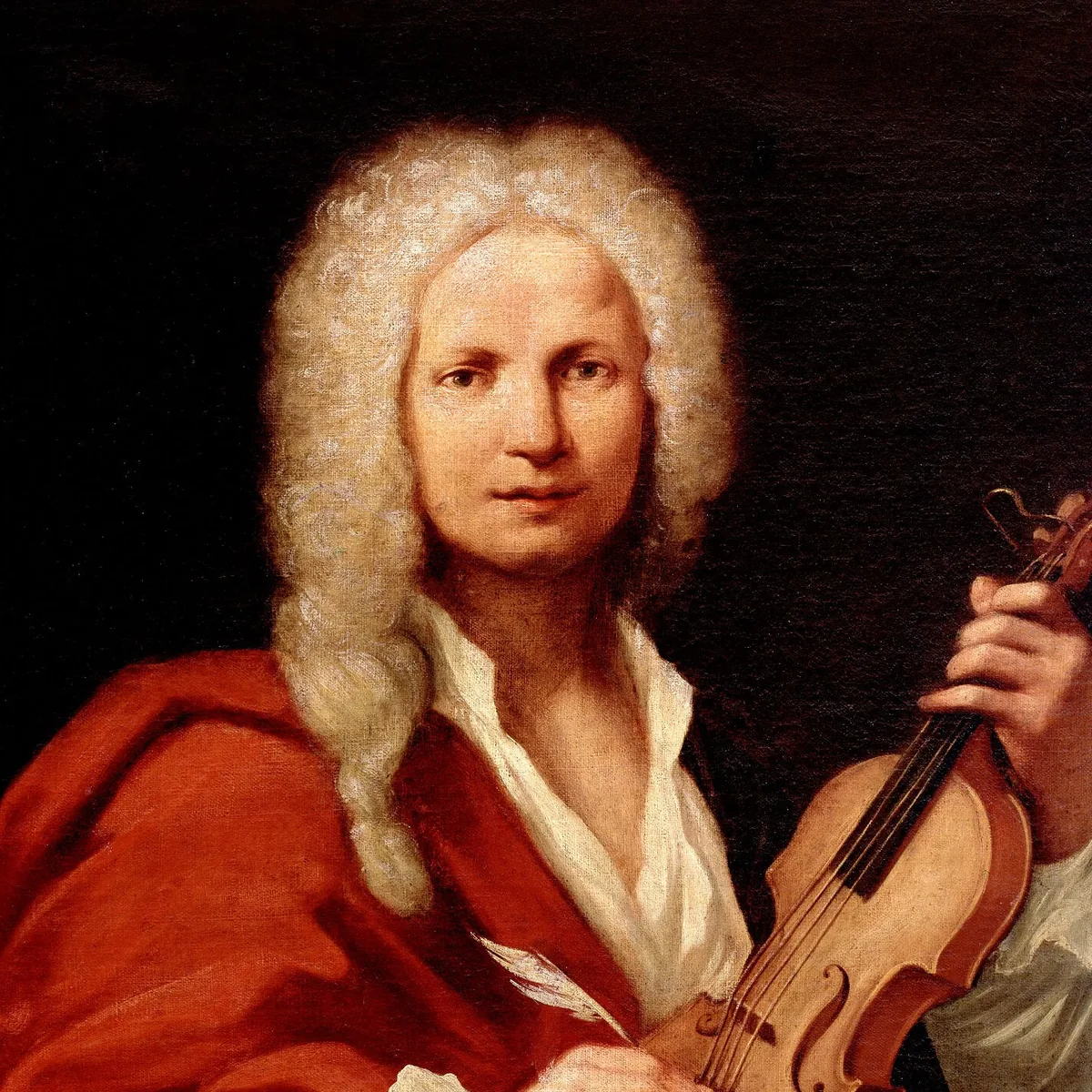
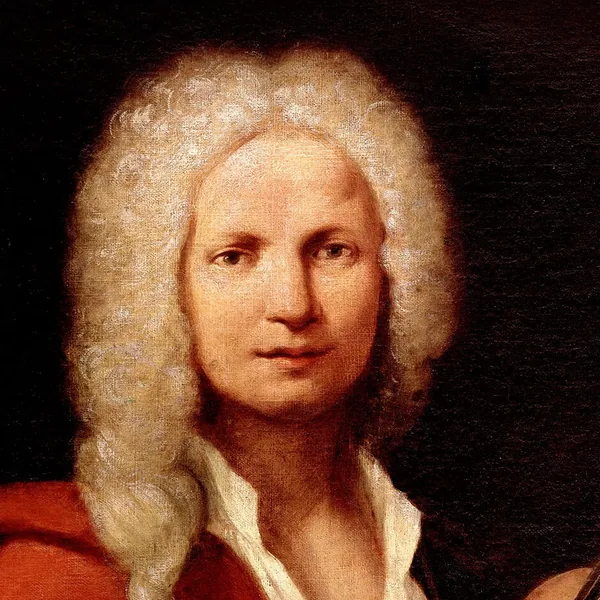
Vivaldi was born in Venice and ordained a priest in 1703; his red hair earned him the nickname il Prete Rosso, the Red Priest. In September 1703 he became violin master at the Ospedale della Pietà, a Venetian orphanage with an all-female ensemble, and from 1716 he was responsible for two new concertos a month. He wrote more than 500 concertos, about 230 of them for violin, and more than fifty operas. Bach transcribed several of his concertos for keyboard.
Vivaldi standardised the ritornello plan for fast concerto movements, adapting it from Torelli. A recurring passage for the full group (the ritornello, or "little return") alternates with episodes for the soloist. Its first appearance is built from short segments of two to four bars, later returns are usually partial, and the returns pass through related keys. The movement opens and closes in the home key. Three movements, fast, slow, fast, became the standard layout.
The Four Seasons are the first four concertos of Il cimento dell'armonia e dell'inventione, Op. 8, published in Amsterdam in 1725 (RV 269, 315, 293 and 297). Each concerto has a sonnet, possibly by Vivaldi himself, whose scenes match the three movements, which makes the set an early and detailed example of programme music. The solo violin and the orchestra imitate birds, streams, storms, a barking dog, a hunt, and chattering teeth.
Sources: Antonio Vivaldi (Wikipedia), The Four Seasons (Vivaldi) (Wikipedia), Ritornello (Wikipedia)
Path 01
Ten well-known works to learn the map on, each open in full to everyone.
Pachelbel → Bach → Vivaldi → Mozart → Beethoven → Schubert → Chopin → Dvořák → Debussy
Path 04
Ground bass, ritornello, fugue and dance: the Baroque in twelve works, from Purcell to Bach's Musical Offering.
Purcell → Pachelbel → Bach → Vivaldi → Handel → Scarlatti
Path 09
One work for each kind in the catalog, from the symphony to choral music.
Beethoven → Vivaldi → Debussy → Holst → Dvořák → Mozart → Chopin → Scarlatti → Bach → Schubert → Strauss → Handel
Path 11
Soloist and orchestra across two and a half centuries, from Bach's harpsichord to Rostropovich's cello.
Bach → Vivaldi → Mozart → Beethoven → Mendelssohn → Tchaikovsky → Dvořák → Rachmaninoff → Ravel → Shostakovich