Path 22
Romantic violin concertos
Ten violin concertos, from Beethoven's of 1806 to Sibelius's of 1904.
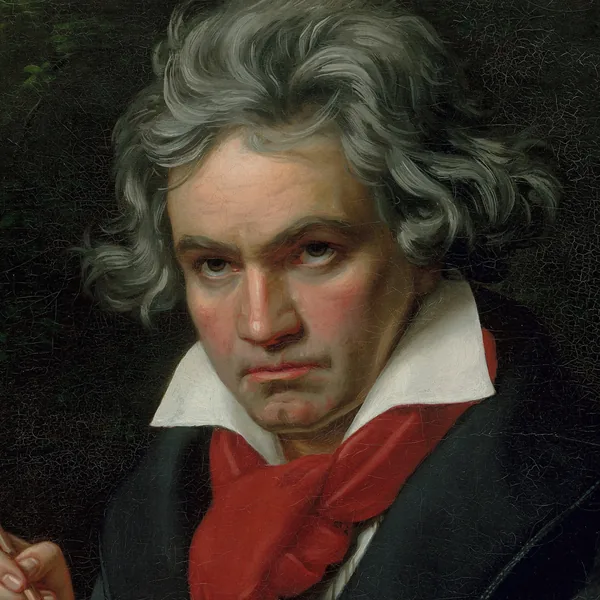
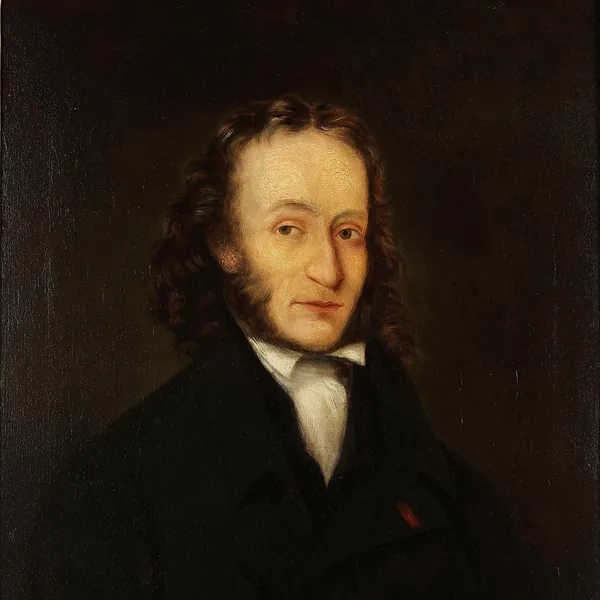
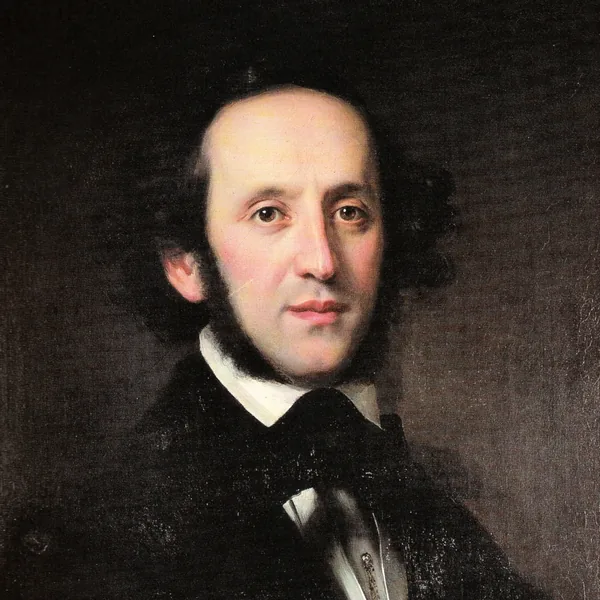
Beethoven → Paganini → Mendelssohn → Wieniawski → Bruch → Lalo → Brahms → Tchaikovsky → Dvořák → Sibelius
1835–1880 · Romantic
4 works
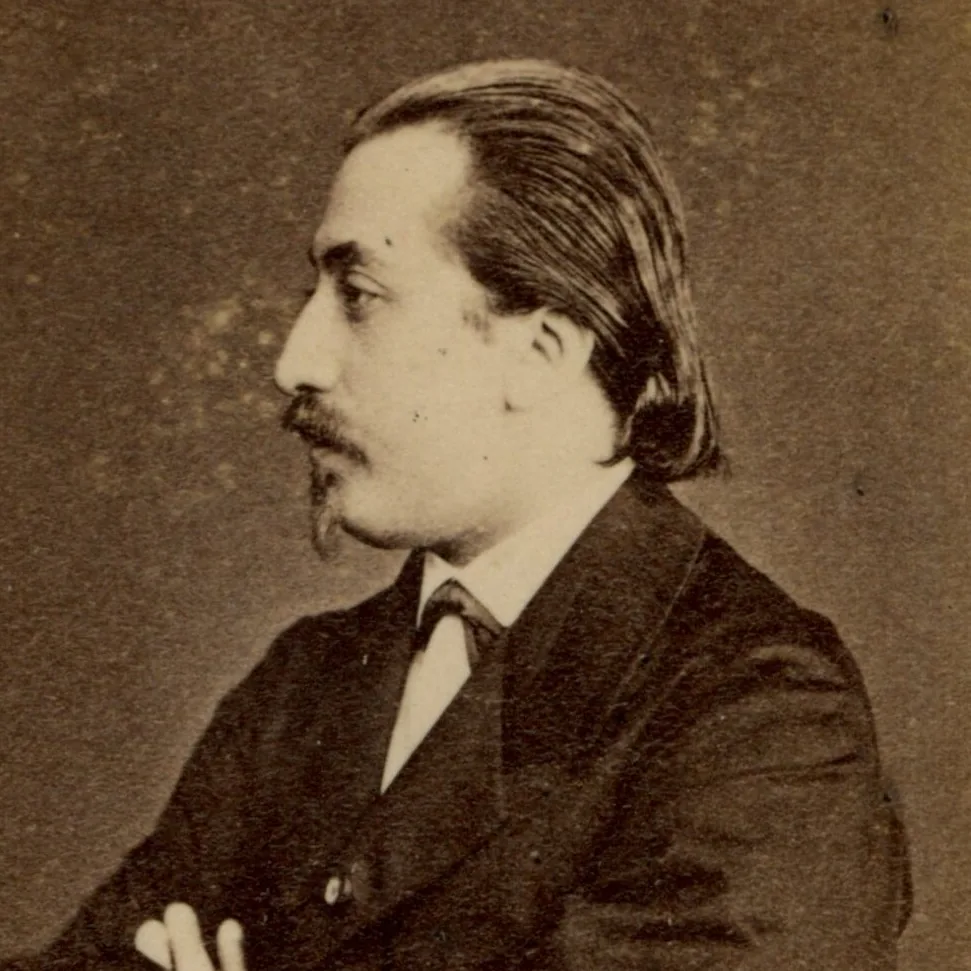
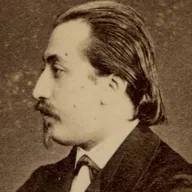
Wieniawski, a violinist from Lublin, entered the Paris Conservatoire at eight and studied with Lambert Massart. He toured widely, lived in Saint Petersburg from 1860 to 1872, toured the United States with Anton Rubinstein, and in 1875 succeeded Henri Vieuxtemps as violin professor at Brussels. He wrote for his own instrument: two violin concertos, the Scherzo-Tarantelle, and ten Études-caprices, L'École moderne. Witnesses described an unusual bow hold, with a high right elbow, that gave him a brilliant staccato.
Polish dance forms colour his music, and the polonaise and the mazurka both appear among his works. The Polonaise de concert in D major, Op. 4 (published in 1853, dedicated to the violinist Karol Lipiński), is a triple-time dance full of technical display: double stops, harmonics, large leaps, ricochet bowing and staccato. It is also known as Polonaise brillante No. 1.
Légende, Op. 17, in G minor, is a showpiece for violin and orchestra, often played with piano. It dates from around 1859 or 1860 and is dedicated to Isabella Hampton, who became his wife. The usual story says it won over her family, but sources disagree on that. It is a loose three-part design in 3/4: it begins with a low horn melody over delicate string pizzicato, the middle section turns to the major, and the opening mood returns.
Sources: Henryk Wieniawski (Wikipedia), Légende (Wieniawski) (Wikipedia), IMSLP: Polonaise de concert, Op.4 (Wieniawski, Henri)
Path 22
Ten violin concertos, from Beethoven's of 1806 to Sibelius's of 1904.
Beethoven → Paganini → Mendelssohn → Wieniawski → Bruch → Lalo → Brahms → Tchaikovsky → Dvořák → Sibelius