Path 09
Fifteen kinds of work
One work for each kind in the catalog, from the symphony to choral music.
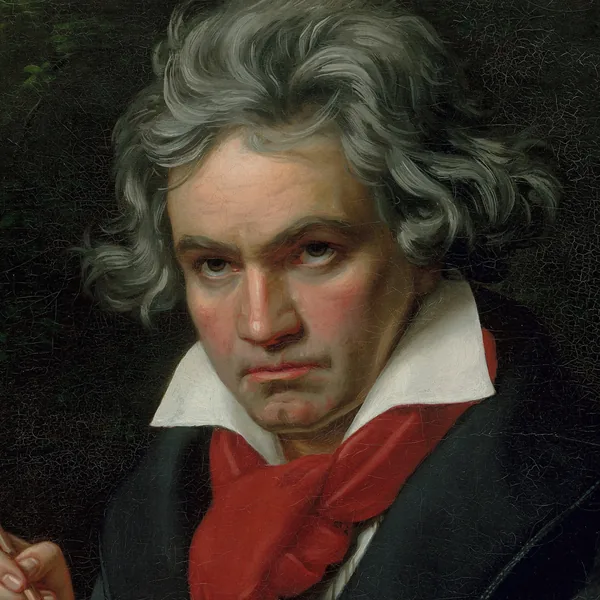
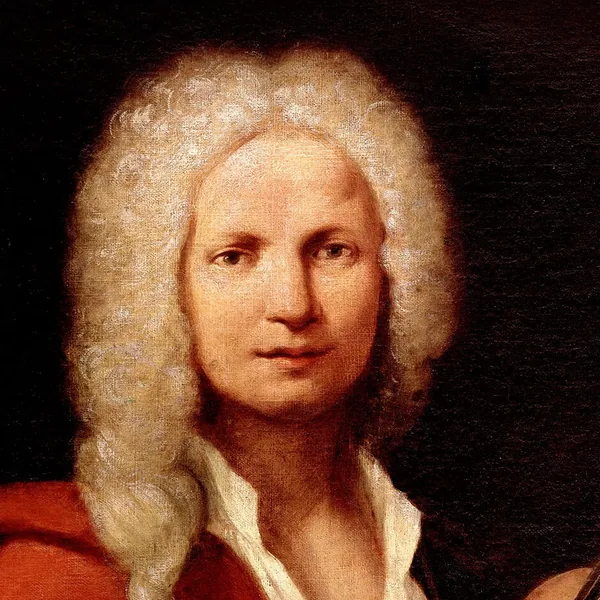
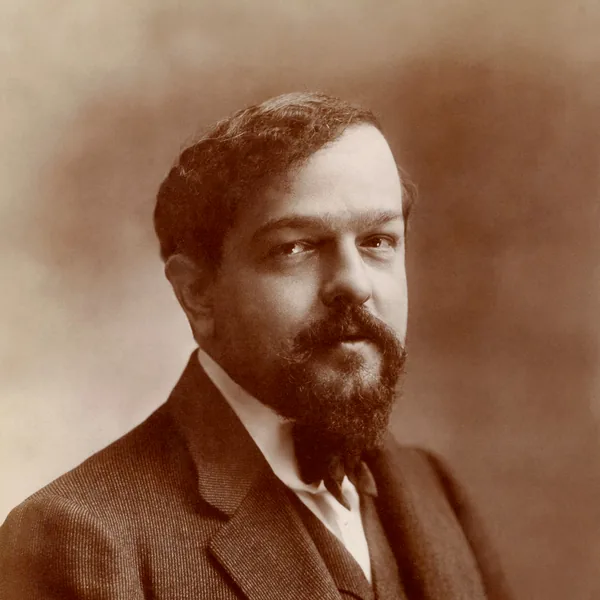
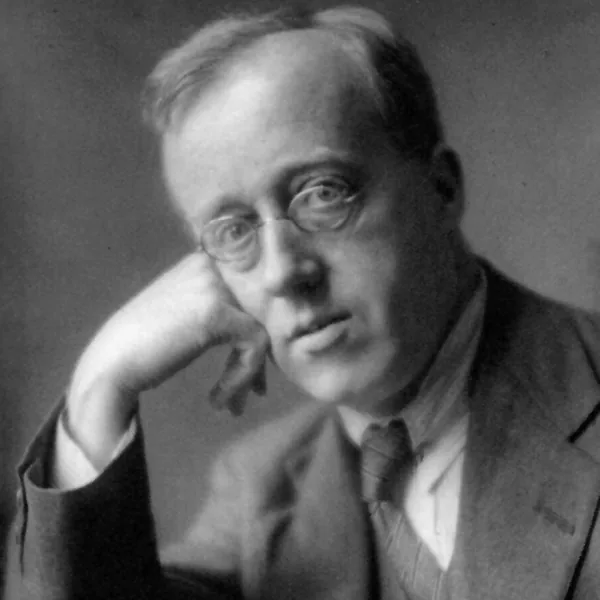
Beethoven → Vivaldi → Debussy → Holst → Dvořák → Mozart → Chopin → Scarlatti → Bach → Schubert → Strauss → Handel
This guide follows Beethoven’s Piano Sonata No. 14 in C-sharp minor, Op. 27 No. 2 “Moonlight” (1801) in three parts: Adagio sostenuto (sonata form), Allegretto (ternary form) and Presto agitato (sonata form).
Premium
Follow all 34 sections as they play, free for 3 days
A low octave in the bass and rocking triplets in the right hand begin the (). The slow melody then enters as the first , and the triplets continue almost without a break to the end. The dynamics stay between and piano. The turns the material over, with figuration that soon takes on a Bach-like feel. The opening in the , and the fades away. Playing without dampers is usually taken to mean a held , changed as the harmony moves.
Section boundaries in music are not always sharp; a transition may be felt over a pause or a held chord.
 BeethovenPiano Sonata No. 1 in F minor, Op. 2 No. 1BeethovenPiano Sonata No. 2 in A major, Op. 2 No. 2BeethovenPiano Sonata No. 3 in C major, Op. 2 No. 3BeethovenPiano Sonata No. 20 in G major, Op. 49 No. 2BeethovenPiano Sonata No. 4 in E-flat major, Op. 7BeethovenPiano Sonata No. 19 in G minor, Op. 49 No. 1BeethovenPiano Sonata No. 5 in C minor, Op. 10 No. 1BeethovenPiano Sonata No. 6 in F major, Op. 10 No. 2BeethovenPiano Sonata No. 7 in D major, Op. 10 No. 3BeethovenPiano Sonata No. 8 in C minor, Op. 13Free
 BachTrio Sonata No. 1 in E-flat major, BWV 525
 HaydnSymphony No. 1 in D major, Hob. I:1HaydnHorn Concerto in D major, Hob. VIId:3HaydnPiano Sonata in A-flat major, Hob. XVI:46HaydnPiano Sonata in C minor, Hob. XVI:20HaydnString Quartet in A major, Op. 20 No. 6HaydnString Quartet in C major, Op. 20 No. 2HaydnString Quartet in D major, Op. 20 No. 4HaydnString Quartet in E-flat major, Op. 20 No. 1HaydnString Quartet in F minor, Op. 20 No. 5
Path 09
One work for each kind in the catalog, from the symphony to choral music.
Beethoven → Vivaldi → Debussy → Holst → Dvořák → Mozart → Chopin → Scarlatti → Bach → Schubert → Strauss → Handel
Path 20
Twelve piano sonatas from Mozart and Haydn to Prokofiev's war sonata of 1942.
Mozart → Haydn → Beethoven → Schubert → Chopin → Liszt → Berg → Bartók → Prokofiev
Reviews