Path 05
Understanding sonata form
The form behind most first movements, heard twelve times, from a small sonata to a symphony.
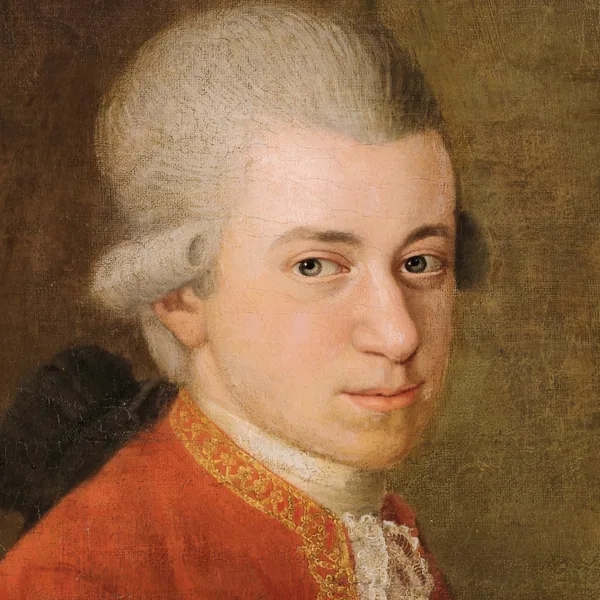
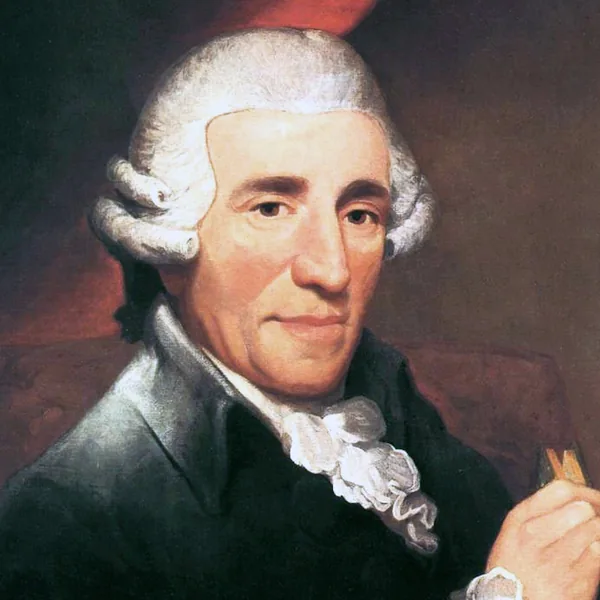
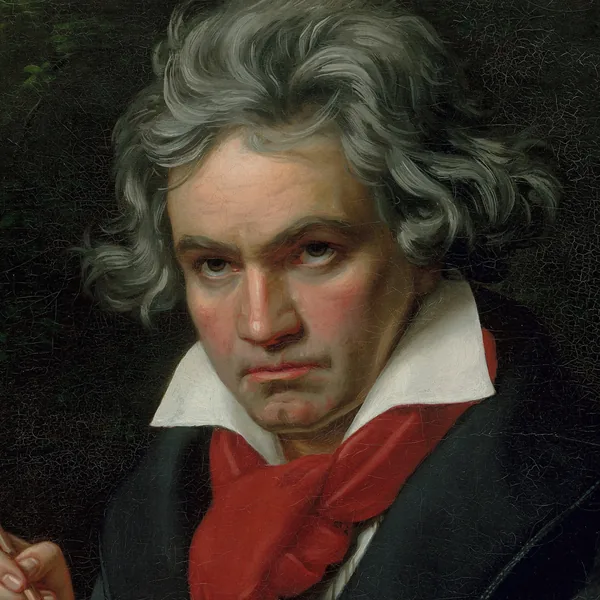
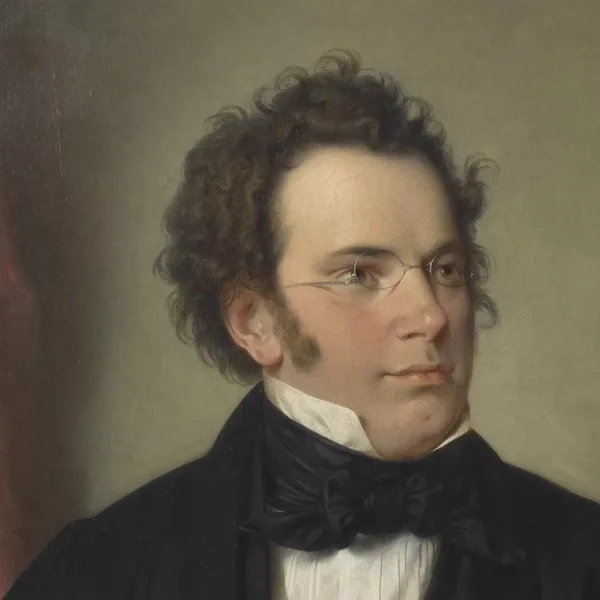
Mozart → Haydn → Beethoven → Schubert → Mendelssohn → Brahms → Prokofiev
This guide follows Beethoven’s Symphony No. 3 in E-flat major, Op. 55 “Eroica” (1804) in four parts: Allegro con brio (sonata form), Marcia funebre: Adagio assai (ternary form), Scherzo: Allegro vivace (minuet and trio) and Finale: Allegro molto (theme and variations).
Premium
Follow all 36 sections as they play, free for 3 days
in E-flat major, in 3/4. Two loud chords start the with no , and the cellos present the at once; a C-sharp soon brings harmonic tension. The of themes (the ) follows the . The is large and introduces a new in E minor. Just before the a horn enters a few early, which Ries remembered as an apparent error. The brings back the new .
Section boundaries in music are not always sharp; a transition may be felt over a pause or a held chord.
 BeethovenSymphony No. 1 in C major, Op. 21BeethovenSymphony No. 2 in D major, Op. 36BeethovenSymphony No. 4 in B-flat major, Op. 60BeethovenSymphony No. 5 in C minor, Op. 67FreeBeethovenSymphony No. 6 in F major, Op. 68BeethovenSymphony No. 7 in A major, Op. 92BeethovenSymphony No. 8 in F major, Op. 93BeethovenSymphony No. 9 in D minor, Op. 125FreeBeethovenRondo in A major, WoO 49BeethovenPiano Concerto No. 2 in B-flat major, Op. 19
 BachTrio Sonata No. 1 in E-flat major, BWV 525
 HaydnSymphony No. 1 in D major, Hob. I:1HaydnHorn Concerto in D major, Hob. VIId:3HaydnPiano Sonata in A-flat major, Hob. XVI:46HaydnPiano Sonata in C minor, Hob. XVI:20HaydnString Quartet in A major, Op. 20 No. 6HaydnString Quartet in C major, Op. 20 No. 2HaydnString Quartet in D major, Op. 20 No. 4HaydnString Quartet in E-flat major, Op. 20 No. 1HaydnString Quartet in F minor, Op. 20 No. 5
Path 05
The form behind most first movements, heard twelve times, from a small sonata to a symphony.
Mozart → Haydn → Beethoven → Schubert → Mendelssohn → Brahms → Prokofiev
Path 10
From the First of 1800 to the Choral of 1824, in the order Beethoven wrote them.
Beethoven
Reviews