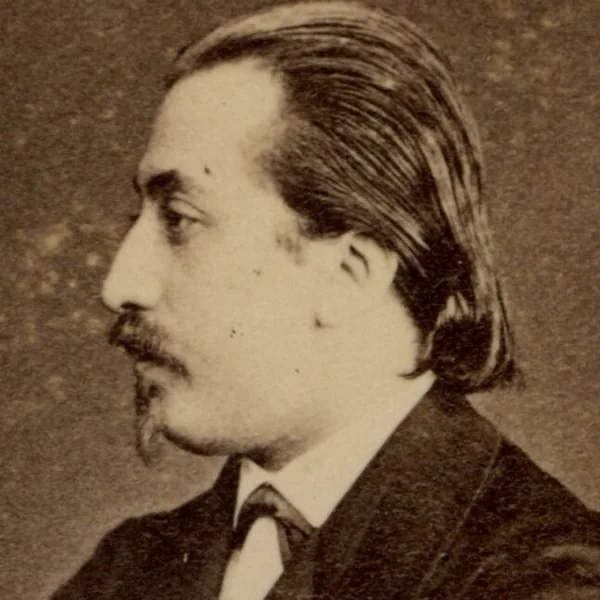
Path 22
Romantic violin concertos
Ten violin concertos, from Beethoven's of 1806 to Sibelius's of 1904.
Beethoven → Paganini → Mendelssohn → Wieniawski → Bruch → Lalo → Brahms → Tchaikovsky → Dvořák → Sibelius
This guide follows Bruch’s Violin Concerto No. 1 in G minor, Op. 26 (1866) in three parts: Vorspiel. Allegro moderato (sonata form), Adagio and Finale. Allegro energico (sonata form).
Premium
Follow all 23 sections as they play, free for 3 days
The opens like an improvisation: a soft , a few quiet woodwind chords, and short free passages for the alone, heard twice. Then the proper arrives, a passionate G-minor melody over trembling strings. After the broader passage, restores the pace and the sings the slower, lyrical . The drives the to a full orchestral . Near the end the woodwind chords and recitatives of the opening , more virtuosic than before, and a single held note carries the music straight into the .
Section boundaries in music are not always sharp; a transition may be felt over a pause or a held chord.
 BachTrio Sonata No. 1 in E-flat major, BWV 525
 HaydnSymphony No. 1 in D major, Hob. I:1HaydnHorn Concerto in D major, Hob. VIId:3HaydnPiano Sonata in A-flat major, Hob. XVI:46HaydnPiano Sonata in C minor, Hob. XVI:20HaydnString Quartet in A major, Op. 20 No. 6HaydnString Quartet in C major, Op. 20 No. 2HaydnString Quartet in D major, Op. 20 No. 4HaydnString Quartet in E-flat major, Op. 20 No. 1HaydnString Quartet in F minor, Op. 20 No. 5
Path 22
Ten violin concertos, from Beethoven's of 1806 to Sibelius's of 1904.
Beethoven → Paganini → Mendelssohn → Wieniawski → Bruch → Lalo → Brahms → Tchaikovsky → Dvořák → Sibelius
Reviews