Path 24
Music of the nations
Folk songs, dances and landscapes, from Liszt's Hungary to Márquez's Mexico.
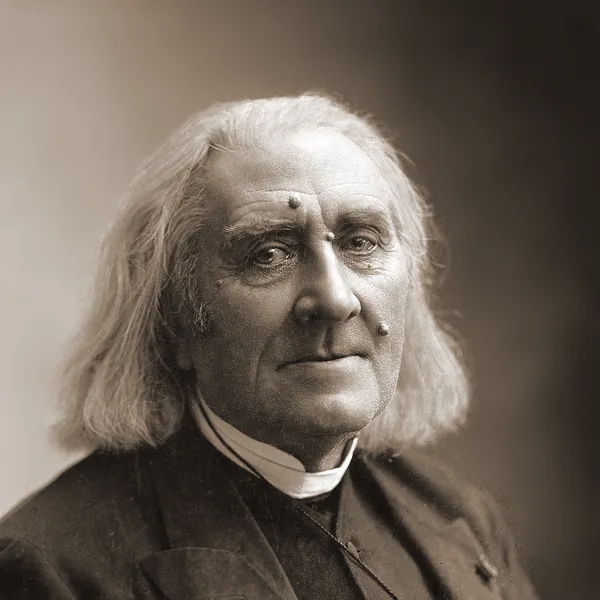
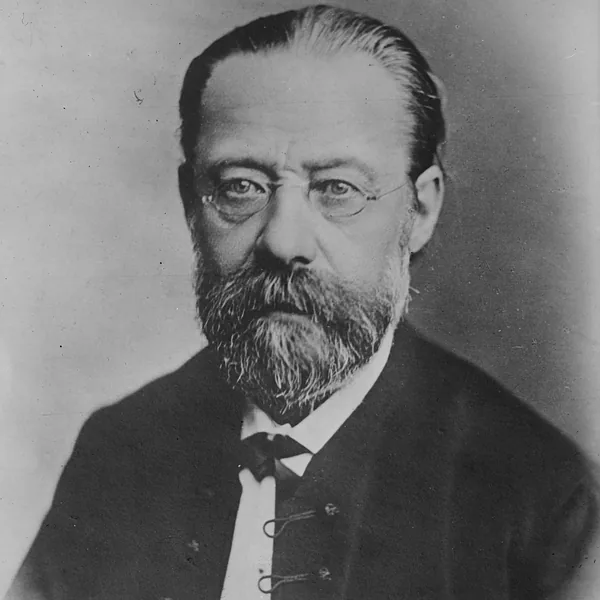
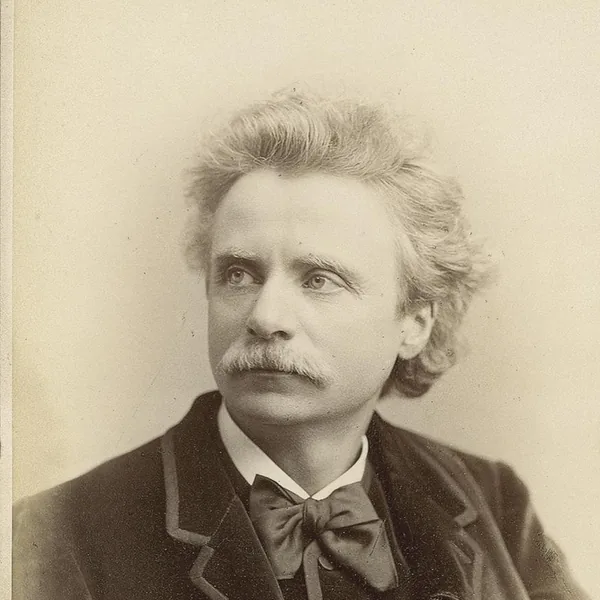
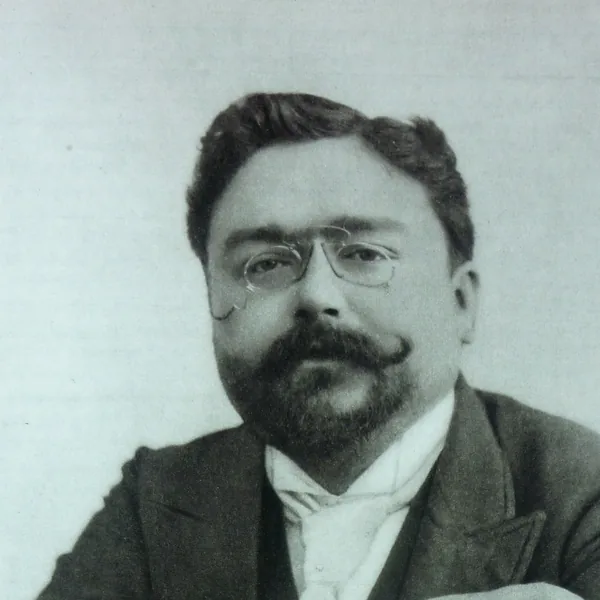
Liszt → Smetana → Grieg → Albéniz → Dvořák → Sibelius → Elgar → Vaughan Williams → Janáček → Villa-Lobos → Rodrigo → Márquez
This guide follows Liszt’s Hungarian Rhapsody No. 2 in C-sharp minor, S. 244/2 (1847) in one part.
Premium
Follow all 5 sections as they play, free for 3 days
, the lassan, opens the piece with dark, melancholy music and a few playful turns. The fast friska takes over later, starting quietly in F-sharp minor and building towards its in F-sharp major. Further sections follow (B, C and D), and then the . Near the end a calm F-sharp minor passage leads to the optional , and the piece closes with a crescendo of octaves that sweeps almost the whole keyboard.
Section boundaries in music are not always sharp; a transition may be felt over a pause or a held chord.
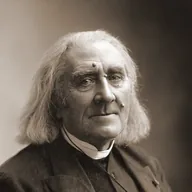 LisztSonetto 104 del Petrarca, S. 161/5LisztHungarian Rhapsody No. 6 in D-flat major, S. 244/6LisztHungarian Rhapsody No. 12 in C-sharp minor, S. 244/12LisztFunérailles, S. 173/7LisztSposalizio, S. 161/1LisztConsolation No. 3 in D-flat major, S. 172 No. 3LisztLiebestraum No. 3 in A-flat major, S. 541 No. 3 / R. 211LisztGrandes études de Paganini No. 6 in A minor, S. 141/6LisztLa campanella (Grandes études de Paganini No. 3 in G-sharp minor), S. 141/3LisztTranscendental Etude No. 4 in D minor, S. 139/4
Path 24
Folk songs, dances and landscapes, from Liszt's Hungary to Márquez's Mexico.
Liszt → Smetana → Grieg → Albéniz → Dvořák → Sibelius → Elgar → Vaughan Williams → Janáček → Villa-Lobos → Rodrigo → Márquez
Reviews