Path 14
Variations and fugue
Two ways of making much from little: a theme changed again and again, and a subject passed from voice to voice.
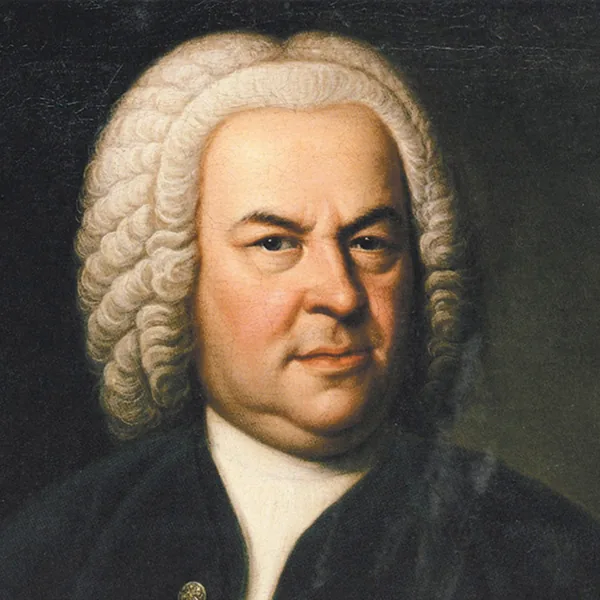
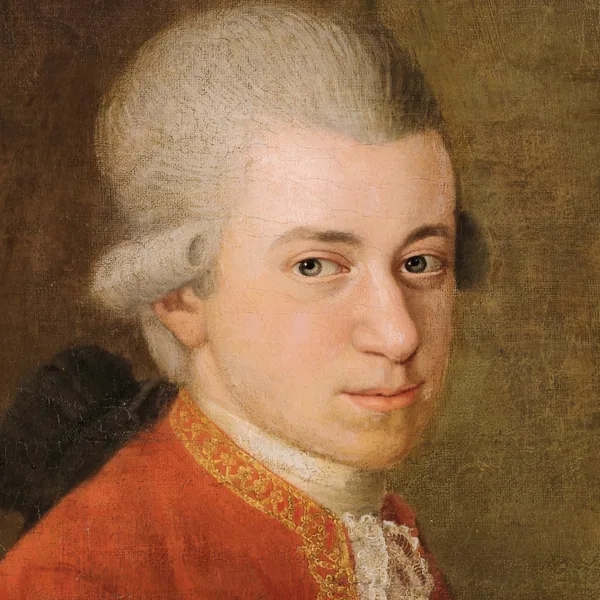
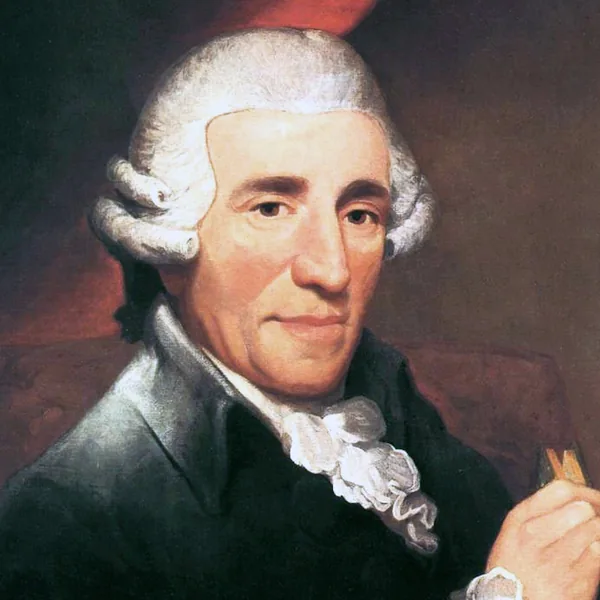
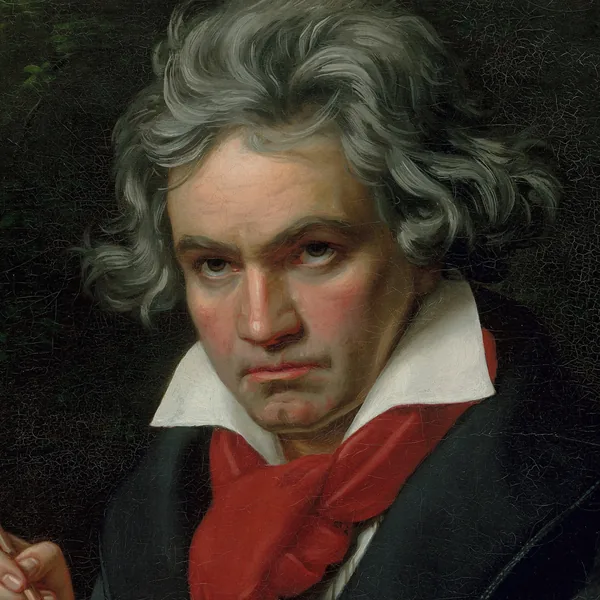
Bach → Mozart → Haydn → Beethoven → Mendelssohn → Brahms → Elgar
This guide follows Brahms’s Variations on a Theme of Haydn for orchestra, Op. 56a (1873) in one part (theme and variations).
Premium
Follow all 11 sections as they play, free for 3 days
The is stated in full at the start, in B-flat major, with orchestration to the original wind version. Eight variations follow. Each keeps the 's phrasing but changes speed and colour. 4 is in B-flat minor, with the melody doubled by oboe and horn. 7 is a gentle , and 8 a hushed, furtive . A follows, and it closes with its own .
Section boundaries in music are not always sharp; a transition may be felt over a pause or a held chord.
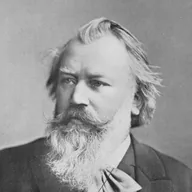 BrahmsSerenade No. 1 in D major, Op. 11BrahmsAcademic Festival Overture, Op. 80BrahmsTragic Overture, Op. 81BrahmsScherzo in E-flat minor for piano, Op. 4BrahmsF-A-E Sonata: Scherzo in C minor, WoO 2BrahmsPiano Sonata No. 1 in C major, Op. 1BrahmsPiano Sonata No. 3 in F minor, Op. 5BrahmsFour Ballades for piano, No. 1, Op. 10 No. 1BrahmsFour Ballades for piano, No. 2, Op. 10 No. 2BrahmsFour Ballades for piano, No. 3: Intermezzo, Op. 10 No. 3
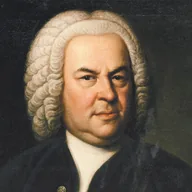 BachPassacaglia and Fugue in C minor, BWV 582Free
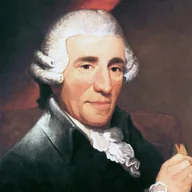 HaydnString Quartet in D major, Op. 20 No. 4HaydnString Quartet in E-flat major, Op. 33 No. 2HaydnString Quartet in G major, Op. 33 No. 5HaydnSymphony No. 81 in G major, Hob. I:81HaydnSymphony No. 82 in C major, Hob. I:82HaydnSymphony No. 88 in G major, Hob. I:88HaydnPiano Sonata in C major, Hob. XVI:48HaydnPiano Sonata in E-flat major, Hob. XVI:49HaydnSymphony No. 94 in G major, Hob. I:94
Path 14
Two ways of making much from little: a theme changed again and again, and a subject passed from voice to voice.
Bach → Mozart → Haydn → Beethoven → Mendelssohn → Brahms → Elgar
Reviews