Path 23
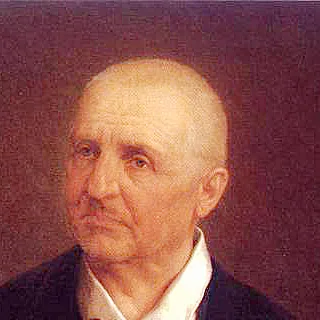
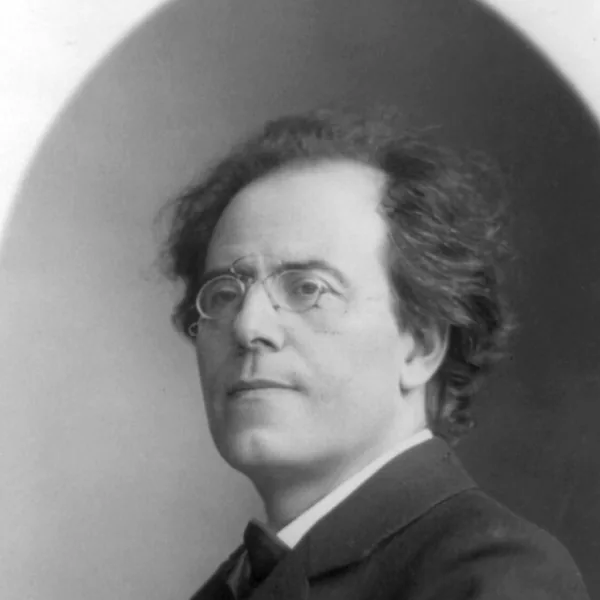
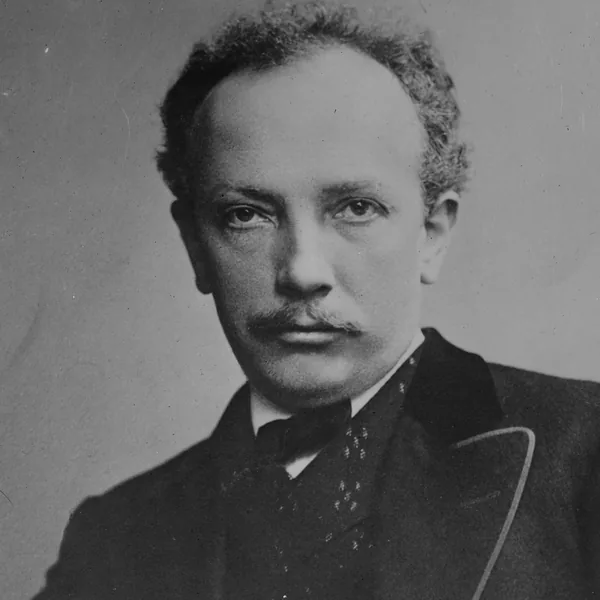
Mahler, Bruckner and Strauss
The late Romantic orchestra at its largest: Bruckner's and Mahler's symphonies and Strauss's tone poems, 1880 to 1945.
Bruckner → Mahler → Strauss
This guide follows Bruckner’s Symphony No. 8 in C minor, WAB 108 (1890 version, ed. Haas) (1890) in four parts: Allegro moderato (sonata form), Scherzo: Allegro moderato - Trio (minuet and trio), Adagio: Feierlich langsam and Finale: Feierlich, nicht schnell (sonata form).
Premium
Follow all 39 sections as they play, free for 3 days
The symphony begins in near darkness: a long-held note for strings and horn, then a sombre double-dotted low in the strings. The climbs in rising scales, and the third is a idea whose falling cascades turn the upside down. The builds to a huge where the first and second themes sound together. The is rare for a Bruckner outer : it dies away quietly, and he likened it to a 'death clock'.
Section boundaries in music are not always sharp; a transition may be felt over a pause or a held chord.
 BrucknerSymphony No. 2 in C minor, WAB 102BrucknerSymphony No. 3 in D minor, WAB 103BrucknerSymphony No. 4 in E-flat major, WAB 104BrucknerSymphony No. 6 in A major, WAB 106BrucknerSymphony No. 7 in E major, WAB 107BrucknerSymphony No. 9 in D minor, WAB 109BrucknerOverture in G minor, WAB 98BrucknerString Quintet in F major, WAB 112
 BachTrio Sonata No. 1 in E-flat major, BWV 525
 HaydnSymphony No. 1 in D major, Hob. I:1HaydnHorn Concerto in D major, Hob. VIId:3HaydnPiano Sonata in A-flat major, Hob. XVI:46HaydnPiano Sonata in C minor, Hob. XVI:20HaydnString Quartet in A major, Op. 20 No. 6HaydnString Quartet in C major, Op. 20 No. 2HaydnString Quartet in D major, Op. 20 No. 4HaydnString Quartet in E-flat major, Op. 20 No. 1HaydnString Quartet in F minor, Op. 20 No. 5
Path 23
The late Romantic orchestra at its largest: Bruckner's and Mahler's symphonies and Strauss's tone poems, 1880 to 1945.
Bruckner → Mahler → Strauss
Reviews