Path 21
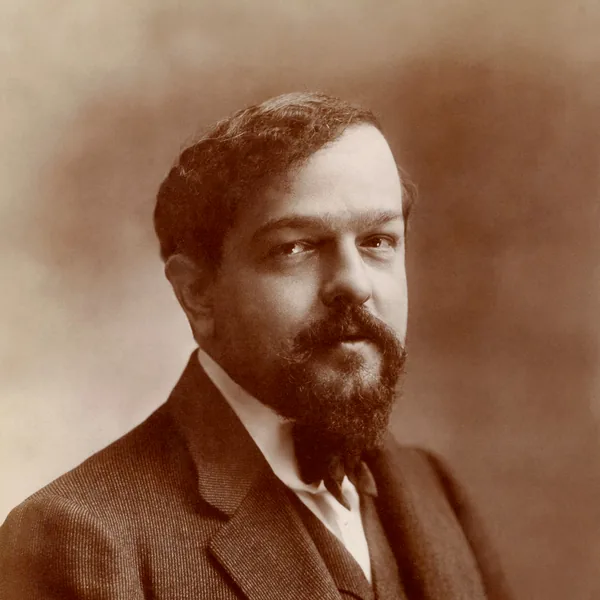
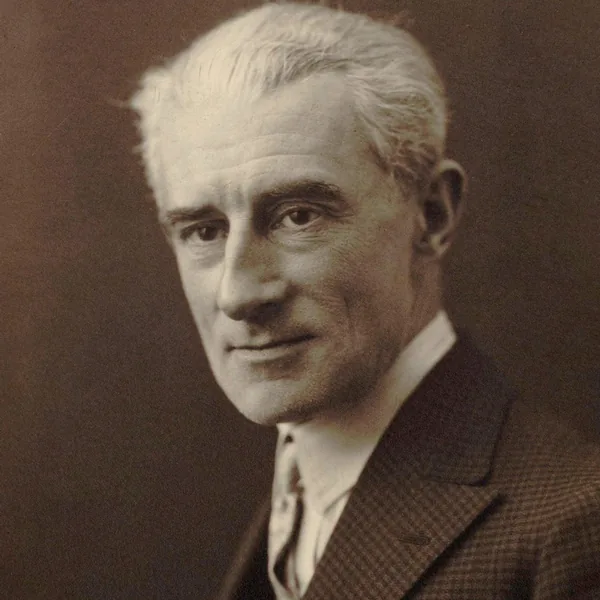
Debussy and Ravel
Two French composers side by side, often compared and often confused, from 1891 to Boléro in 1928.
Debussy → Ravel
This guide follows Debussy’s Arabesque No. 1 in E major, CD 74/1; L. 66/1 (1891) in one part.
Premium
Follow all 4 sections as they play, free for 3 days
The first section (A) begins with parallel triads and rippling triplets, then opens out into arpeggios and a falling pentatonic line. The quieter B section arrives in A major, where the harmony shifts between modal and tonal colours. The opening (A) , rises in and sweeps up and down a large pentatonic scale before settling on E major. The closes quietly in the home .
Section boundaries in music are not always sharp; a transition may be felt over a pause or a held chord.
 DebussyRêverie, L. 68DebussyDeuxième Arabesque in G major, L. 66 No. 2DebussyPour le piano, L. 95DebussyEstampes, L. 100DebussyL’Isle joyeuse, L. 106DebussyImages, Book I, L. 110DebussySuite bergamasque, L. 75DebussyImages, Book II, L. 111DebussyChildren's Corner, L. 113DebussyPrélude I/1: Danseuses de Delphes, L. 117 No. 1
Path 21
Two French composers side by side, often compared and often confused, from 1891 to Boléro in 1928.
Debussy → Ravel
Reviews