Path 21
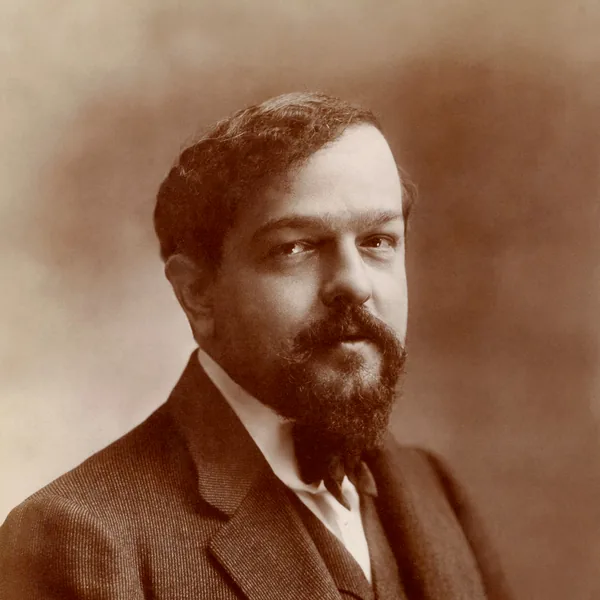
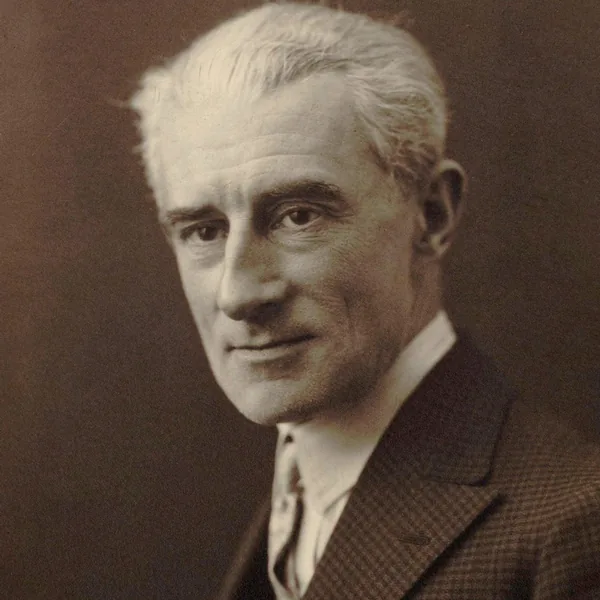
Debussy and Ravel
Two French composers side by side, often compared and often confused, from 1891 to Boléro in 1928.
Debussy → Ravel
This guide follows Debussy’s Children's Corner, L. 113 (1908) in six parts: Doctor Gradus ad Parnassum, Jimbo's Lullaby, Serenade for the Doll, The Snow is Dancing, The Little Shepherd and Golliwogg's Cake-walk.
Premium
Follow all 29 sections as they play, free for 3 days
A finger-independence study with modern harmony that gently mocks the exercises of Clementi's Gradus ad Parnassum. The opening idea (A) twice (A′ and A″), with fresh episodes B, C and D. In the middle the music slows and tries its material in other keys, and the piece ends with a bang. Debussy joked to his publisher that it should be played very early in the morning.
Section boundaries in music are not always sharp; a transition may be felt over a pause or a held chord.
 DebussyRêverie, L. 68DebussyArabesque No. 1 in E major, CD 74/1; L. 66/1DebussyDeuxième Arabesque in G major, L. 66 No. 2DebussyPour le piano, L. 95DebussyEstampes, L. 100DebussyL’Isle joyeuse, L. 106DebussyImages, Book I, L. 110DebussySuite bergamasque, L. 75DebussyImages, Book II, L. 111DebussyPrélude I/1: Danseuses de Delphes, L. 117 No. 1
Path 21
Two French composers side by side, often compared and often confused, from 1891 to Boléro in 1928.
Debussy → Ravel
Reviews