Path 15
Paris around 1900
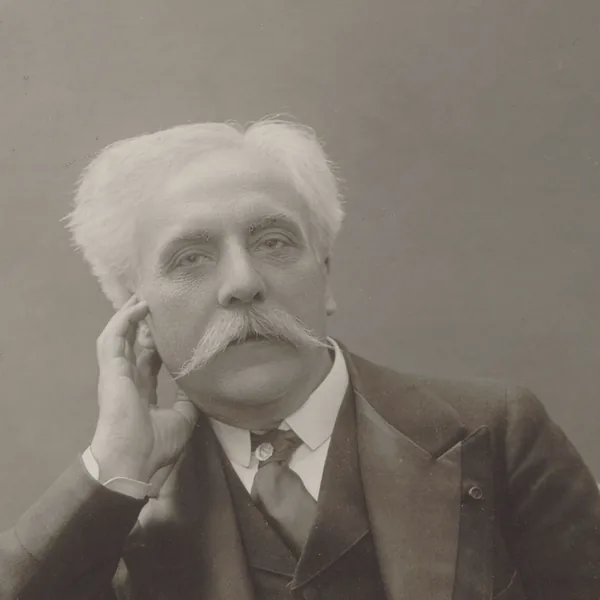
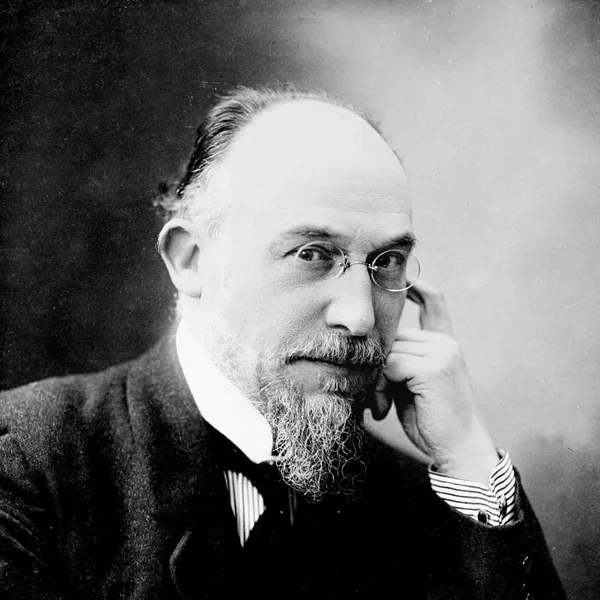
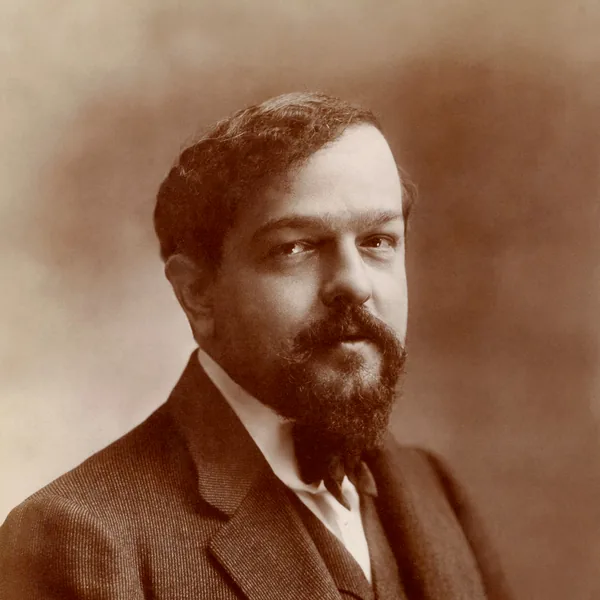
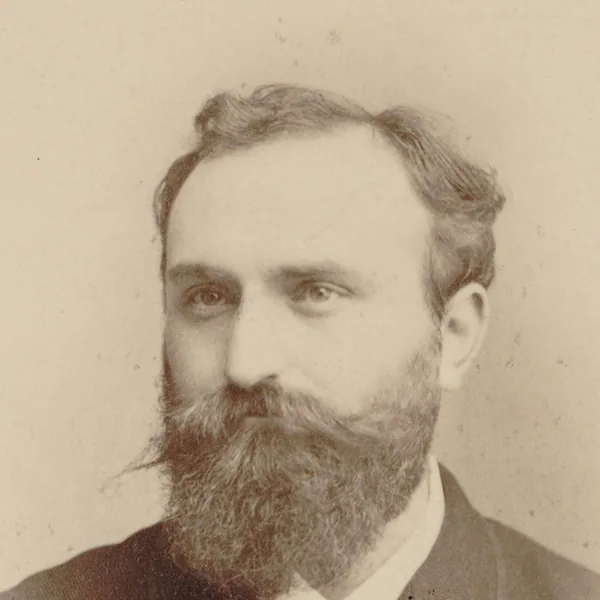
Fauré, Satie, Debussy, Chausson, Dukas and Ravel, from 1887 to 1920.
Fauré → Satie → Debussy → Chausson → Dukas → Ravel
This guide follows Debussy’s La mer, L. 109 (1905) in three parts: De l’aube à midi sur la mer, Jeux de vagues and Dialogue du vent et de la mer.
Premium
Follow all 21 sections as they play, free for 3 days
Very slow and very quiet at first, in B minor, the music wakes like the sea at dawn. Listen for the abrupt two-note rhythm in the cellos and for the rising-and-falling melody that muted trumpet and English horn give out early, which comes back in the . The wave-like phrases grow clearer through Section 1 (“Moderate, without slowness”) and Section 2 (“A little more animated”), and a striking passage for sixteen cellos stands out. A brass marks the arrival of midday, and the releases the full orchestra, with a swell of cymbals.
Section boundaries in music are not always sharp; a transition may be felt over a pause or a held chord.
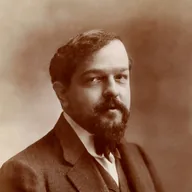 DebussyPrélude à l’après-midi d’un faune, L. 86DebussyTrois Nocturnes, L. 91DebussyAriettes oubliées, L. 60DebussyRêverie, L. 68DebussyArabesque No. 1 in E major, CD 74/1; L. 66/1DebussyDeuxième Arabesque in G major, L. 66 No. 2DebussyFêtes galantes, première série, L. 80DebussyString Quartet in G minor, Op. 10, L. 85DebussyPour le piano, L. 95DebussyEstampes, L. 100
Path 15
Fauré, Satie, Debussy, Chausson, Dukas and Ravel, from 1887 to 1920.
Fauré → Satie → Debussy → Chausson → Dukas → Ravel
Reviews