Path 25
Choral masterpieces
Choirs from Handel's coronation anthem to Ligeti's cloud of voices: masses, requiems and psalms, 1727 to 1966.
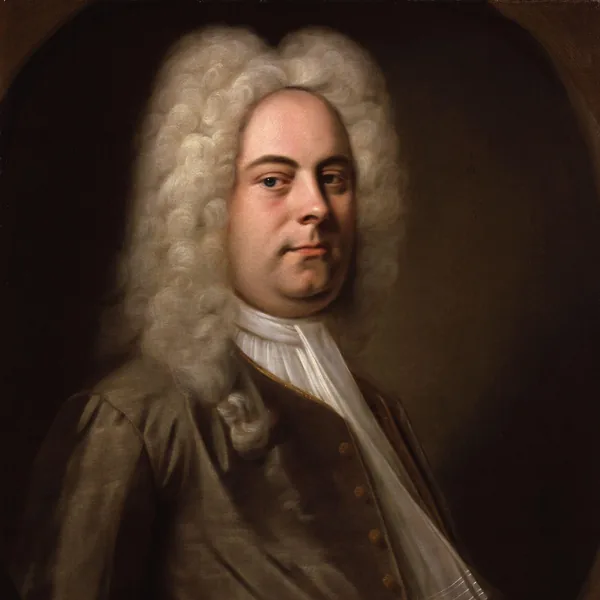
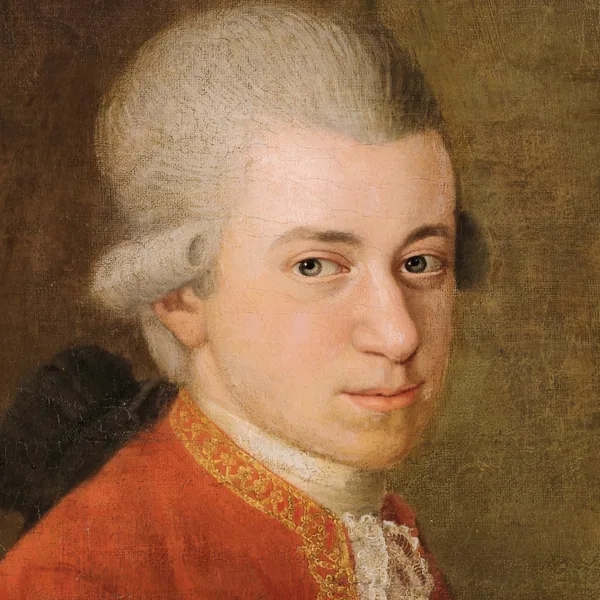
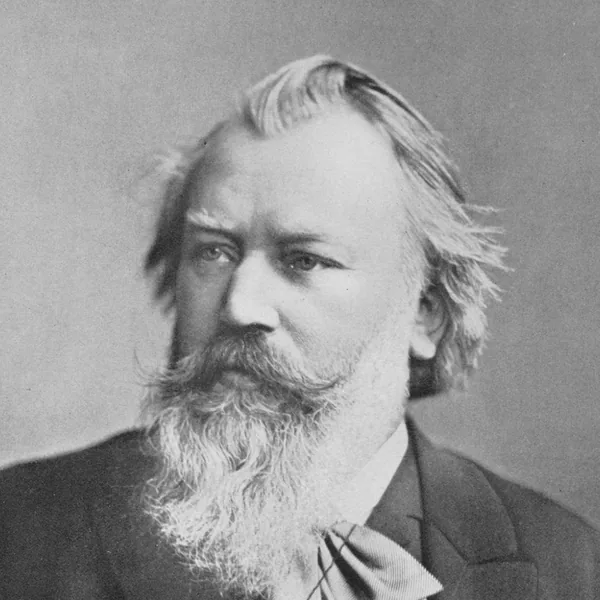
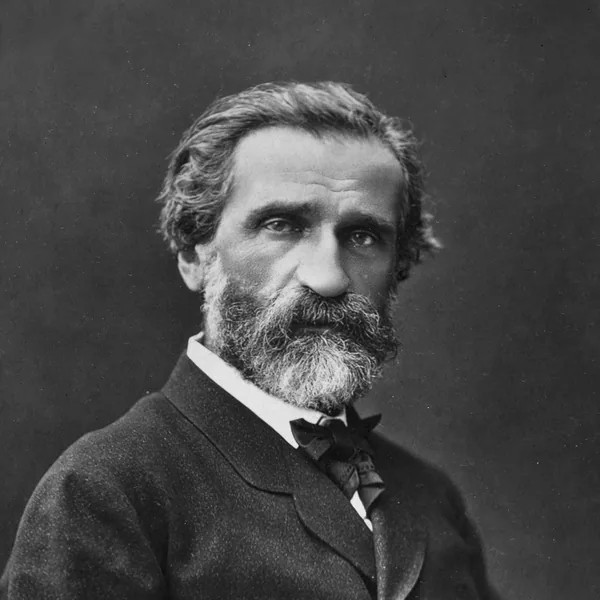
Handel → Mozart → Brahms → Verdi → Fauré → Orff → Messiaen → Bernstein → Ligeti
This guide follows Ligeti’s Lux aeterna (1966) in one part.
Premium
Follow all 5 sections as they play, free for 3 days
The piece falls into three parts shaped by the text. In the opening part (A) the sopranos and altos sing almost identical lines, entering a hair apart, and the tenors join around halfway through. In B the basses enter very high, in falsetto, and the women sing "Quia pius es". In B′ the basses sing "Domine" very low, forming a brief D-sharp minor chord, the only conventional chord in the piece. The voices then fade, and the piece ends with seven of silence.
Section boundaries in music are not always sharp; a transition may be felt over a pause or a held chord.
Path 25
Choirs from Handel's coronation anthem to Ligeti's cloud of voices: masses, requiems and psalms, 1727 to 1966.
Handel → Mozart → Brahms → Verdi → Fauré → Orff → Messiaen → Bernstein → Ligeti
Path 27
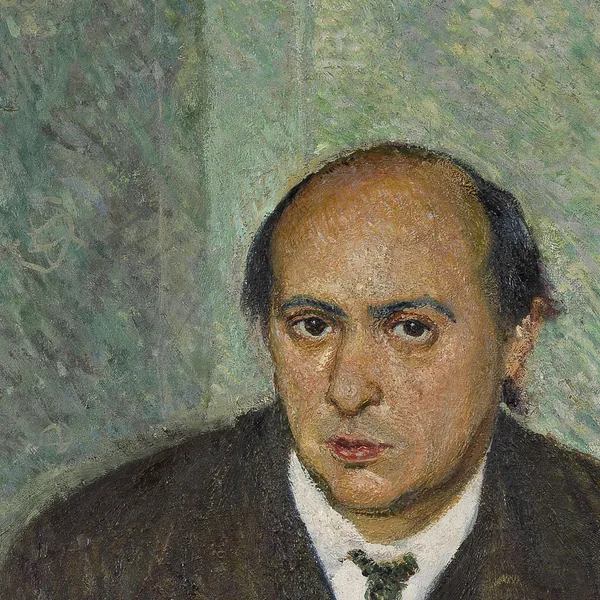
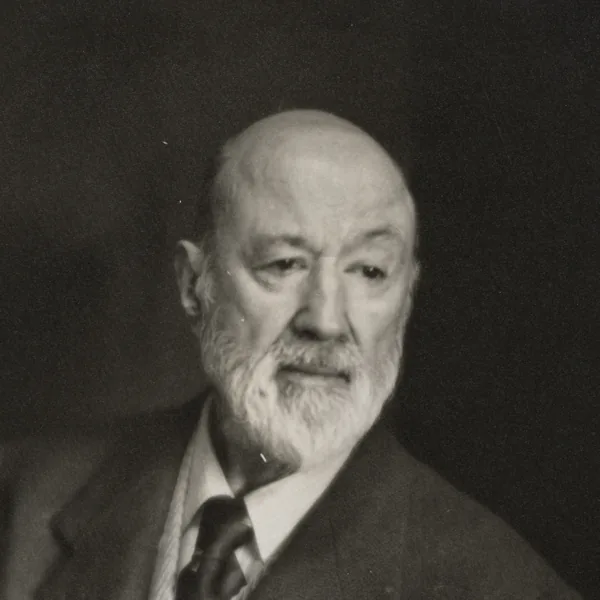
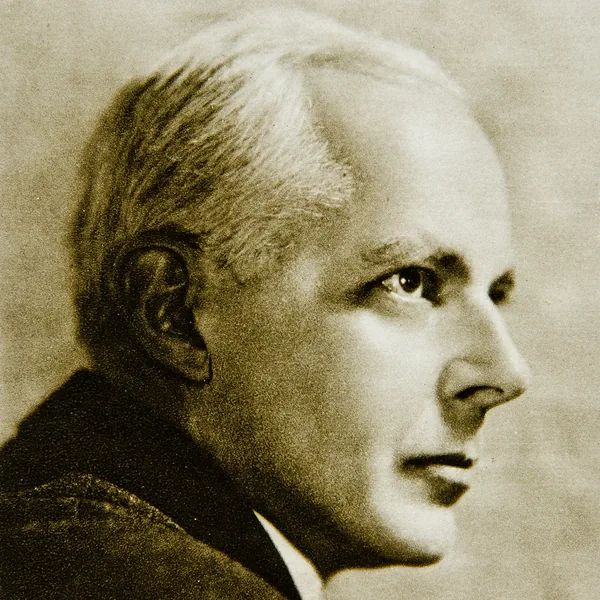
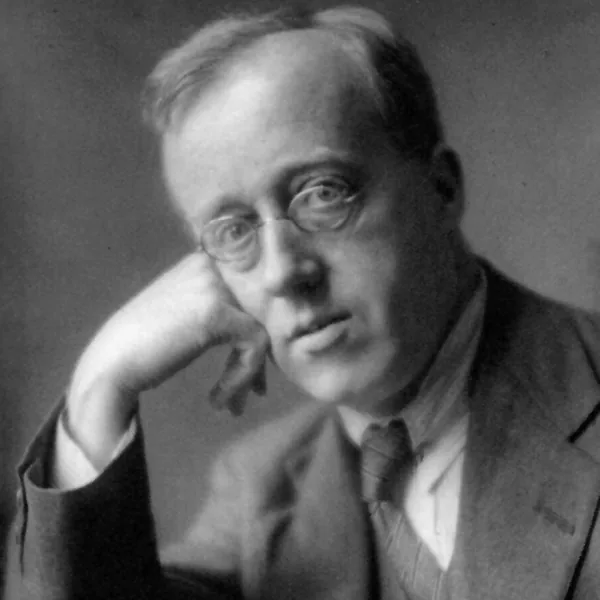
Twelve directions the century took, from Schoenberg's Verklärte Nacht of 1899 to Piazzolla's tango of 1982.
Schoenberg → Ives → Bartók → Holst → Gershwin → Barber → Prokofiev → Copland → Ligeti → Górecki → Piazzolla
Reviews