Path 21
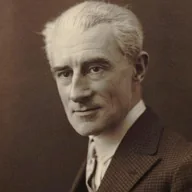
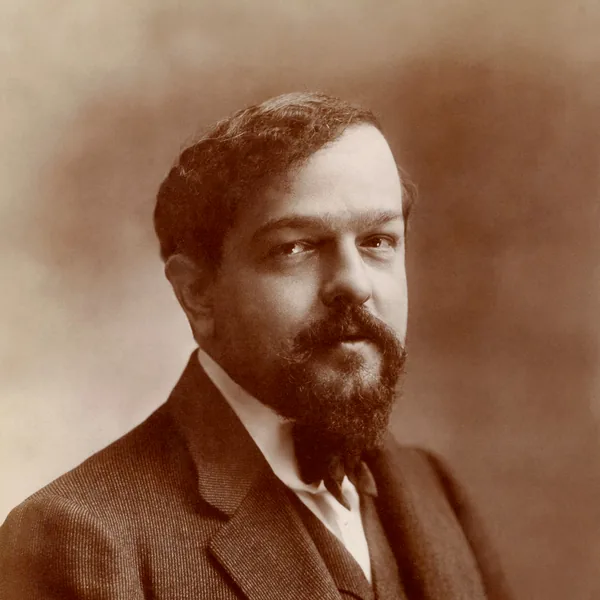
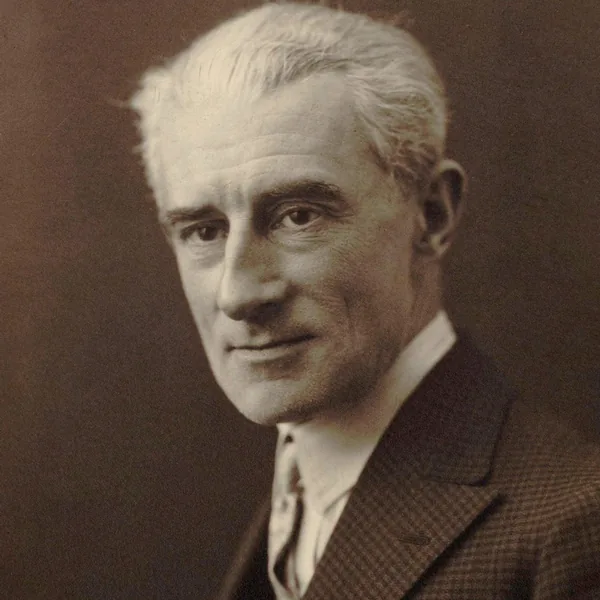
Debussy and Ravel
Two French composers side by side, often compared and often confused, from 1891 to Boléro in 1928.
Debussy → Ravel
This guide follows Ravel’s String Quartet in F major, M. 35 (1903) in four parts: Allegro moderato. Très doux (sonata form), Assez vif. Très rythmé, Très lent and Vif et agité.
Premium
Follow all 29 sections as they play, free for 3 days
, (very soft). The , played by all four instruments together, rises and falls in a long arc. The follows, and then the appears in the first violin and viola, two octaves apart. The is lyrical and gathers intensity. In the the cello's line in the is lifted a minor third, moving it from D minor to F major. The slows to a very quiet ending.
Section boundaries in music are not always sharp; a transition may be felt over a pause or a held chord.
 BachTrio Sonata No. 1 in E-flat major, BWV 525
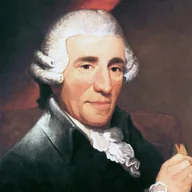 HaydnSymphony No. 1 in D major, Hob. I:1HaydnHorn Concerto in D major, Hob. VIId:3HaydnPiano Sonata in A-flat major, Hob. XVI:46HaydnPiano Sonata in C minor, Hob. XVI:20HaydnString Quartet in A major, Op. 20 No. 6HaydnString Quartet in C major, Op. 20 No. 2HaydnString Quartet in D major, Op. 20 No. 4HaydnString Quartet in E-flat major, Op. 20 No. 1HaydnString Quartet in F minor, Op. 20 No. 5
Path 21
Two French composers side by side, often compared and often confused, from 1891 to Boléro in 1928.
Debussy → Ravel
Reviews