Path 19
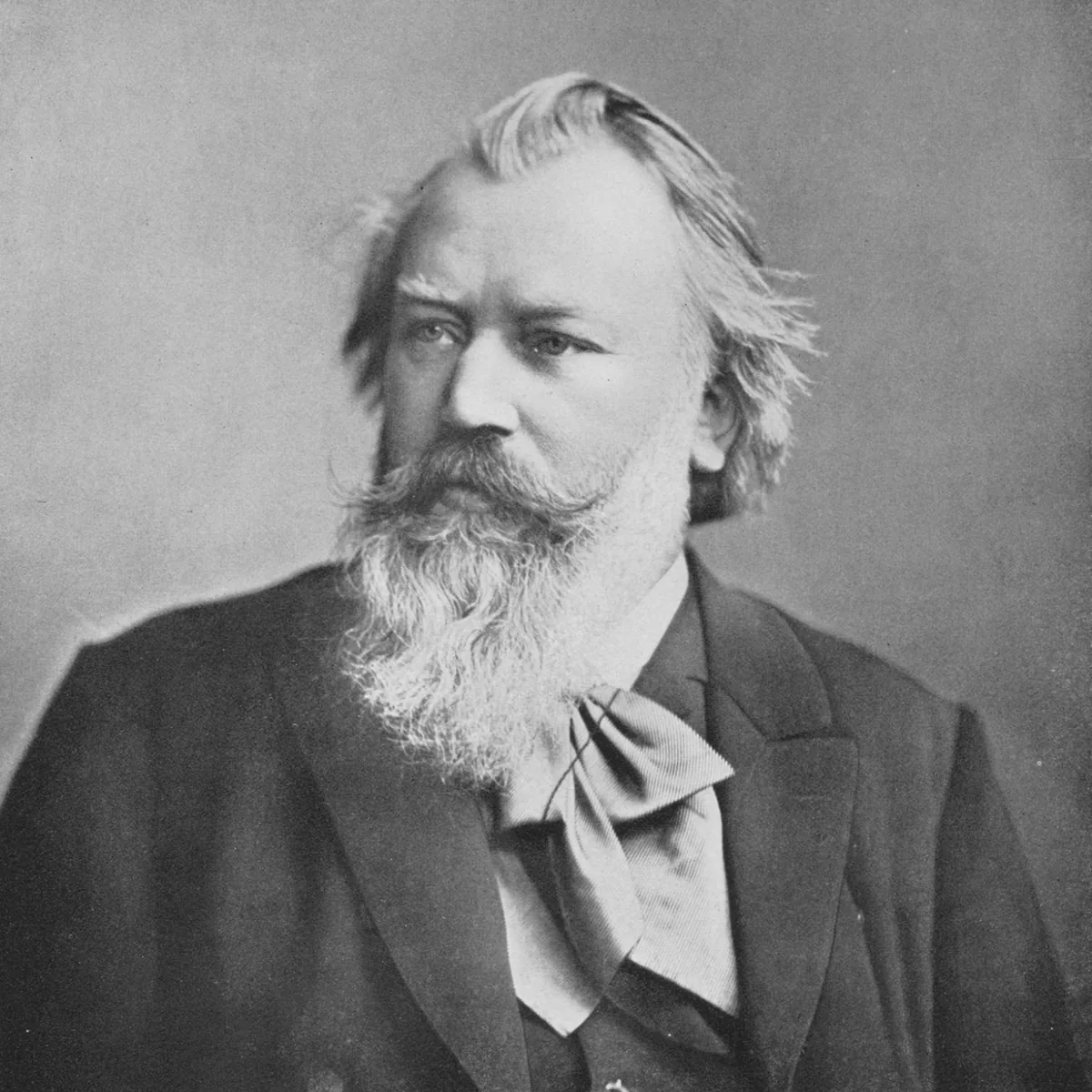
Essential Brahms
Brahms in twelve works, from the First Piano Concerto to the last of his piano pieces.
Brahms
This guide follows Brahms’s Ein deutsches Requiem, Op. 45 (1868) in seven parts: Selig sind, die da Leid tragen, Denn alles Fleisch, es ist wie Gras, Herr, lehre doch mich, Wie lieblich sind deine Wohnungen, Ihr habt nun Traurigkeit, Denn wir haben hie keine bleibende Statt and Selig sind die Toten.
Premium
Follow all 45 sections as they play, free for 3 days
Selig sind, die da Leid tragen (Blessed are they that mourn), F major, rather slow and expressive. The chorus sings without , and with no violins the orchestral sound is dark and low; harps the . Two ideas alternate: A and B, then A1, B1 and A2, before the . Remember its ending: it in the last .
Section boundaries in music are not always sharp; a transition may be felt over a pause or a held chord.
 BrahmsAlto Rhapsody, Op. 53BrahmsSchicksalslied, Op. 54BrahmsNänie, Op. 82BrahmsScherzo in E-flat minor for piano, Op. 4BrahmsF-A-E Sonata: Scherzo in C minor, WoO 2BrahmsPiano Sonata No. 1 in C major, Op. 1BrahmsPiano Sonata No. 3 in F minor, Op. 5BrahmsFour Ballades for piano, No. 1, Op. 10 No. 1BrahmsFour Ballades for piano, No. 2, Op. 10 No. 2BrahmsFour Ballades for piano, No. 3: Intermezzo, Op. 10 No. 3
Path 19
Brahms in twelve works, from the First Piano Concerto to the last of his piano pieces.
Brahms
Path 25
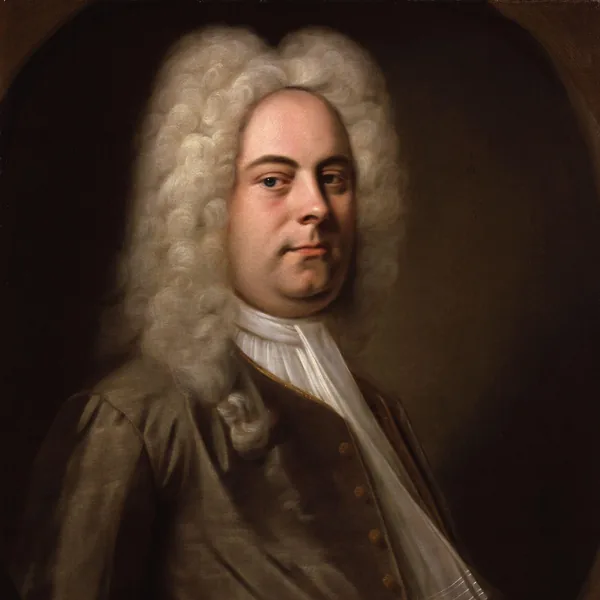
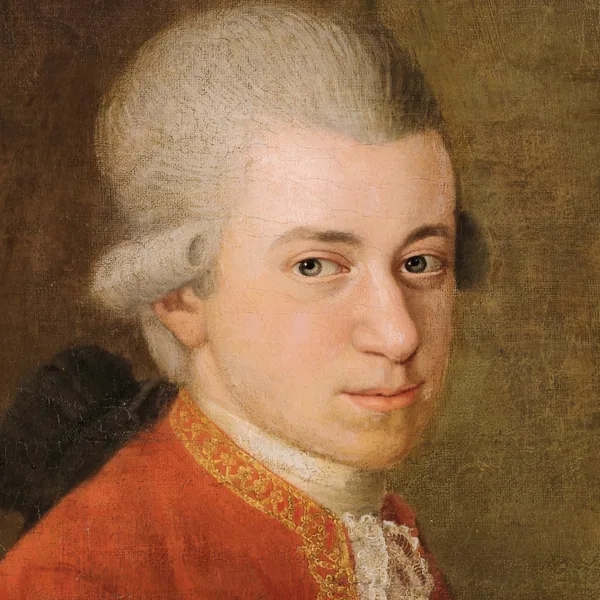
Choirs from Handel's coronation anthem to Ligeti's cloud of voices: masses, requiems and psalms, 1727 to 1966.
Handel → Mozart → Brahms → Verdi → Fauré → Orff → Messiaen → Bernstein → Ligeti
Reviews