Path 25
Choral masterpieces
Choirs from Handel's coronation anthem to Ligeti's cloud of voices: masses, requiems and psalms, 1727 to 1966.
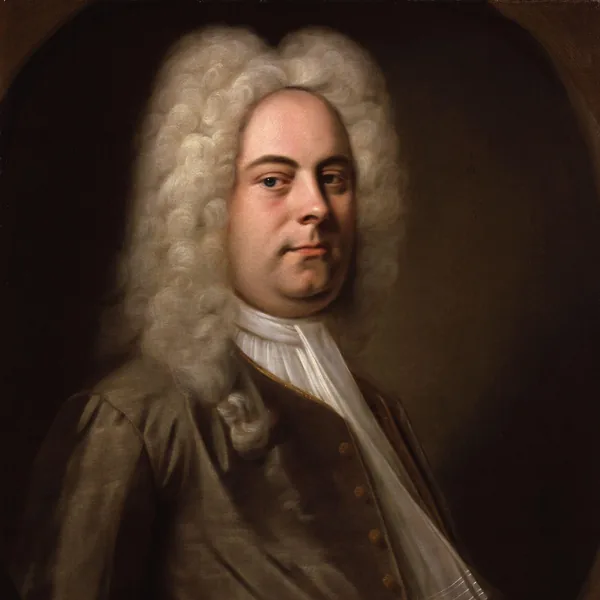
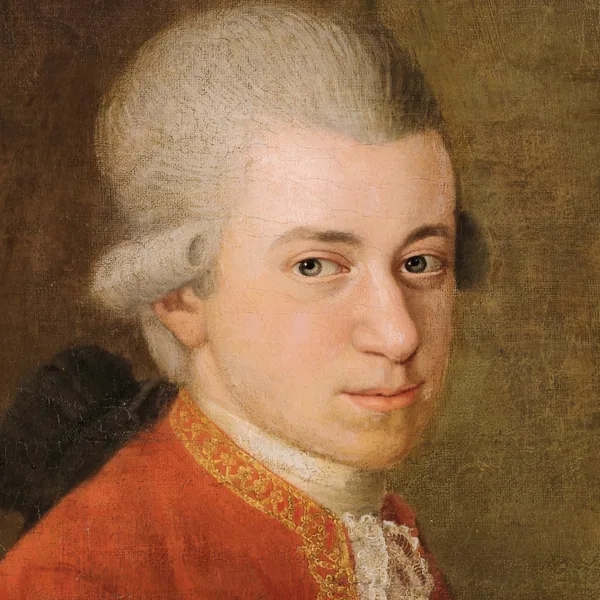
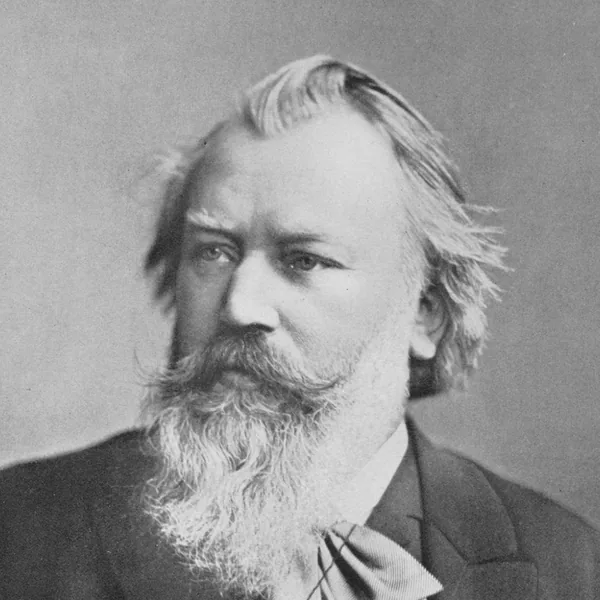
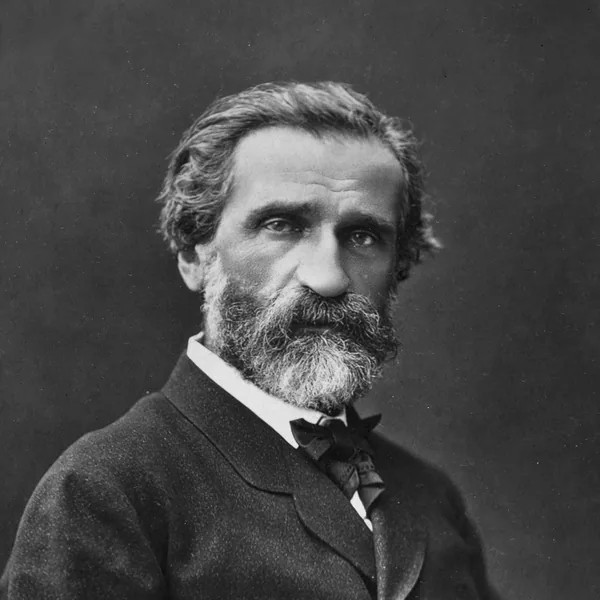
Handel → Mozart → Brahms → Verdi → Fauré → Orff → Messiaen → Bernstein → Ligeti
This guide follows Brahms’s Schicksalslied, Op. 54 (1871) in one part.
Premium
Follow all 4 sections as they play, free for 3 days
A single in three connected parts. It opens with a slow orchestral prelude () in E-flat major over a timpani (a repeated drum pattern), and in section A the chorus enters, (always sweet), for the stanzas about the gods. In section B the begins in C minor, with agitated strings, hard accents and dissonances for the suffering mortals. The is an for orchestra alone, in C major, where a flute takes up the prelude.
Section boundaries in music are not always sharp; a transition may be felt over a pause or a held chord.
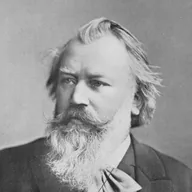 BrahmsEin deutsches Requiem, Op. 45BrahmsAlto Rhapsody, Op. 53BrahmsNänie, Op. 82BrahmsScherzo in E-flat minor for piano, Op. 4BrahmsF-A-E Sonata: Scherzo in C minor, WoO 2BrahmsPiano Sonata No. 1 in C major, Op. 1BrahmsPiano Sonata No. 3 in F minor, Op. 5BrahmsFour Ballades for piano, No. 1, Op. 10 No. 1BrahmsFour Ballades for piano, No. 2, Op. 10 No. 2BrahmsFour Ballades for piano, No. 3: Intermezzo, Op. 10 No. 3
Path 25
Choirs from Handel's coronation anthem to Ligeti's cloud of voices: masses, requiems and psalms, 1727 to 1966.
Handel → Mozart → Brahms → Verdi → Fauré → Orff → Messiaen → Bernstein → Ligeti
Reviews